
Table of Contents
- Quick Answer
- What Is the 134101-6620 (P51) Pump Plunger?
- Technical Specifications & Manufacturing Features
- Applications and Compatible Diesel Systems
- Common Failure Symptoms of a Worn P51 Plunger
- How to Diagnose a Failing P51 Plunger
- Maintenance Tips to Extend P51 Plunger Service Life
- P51 Plunger Replacement Guide
- Related P-Type Plunger Models
- Frequently Asked Questions
- Conclusion
1. Quick Answer
The 134101-6620 (P51) pump plunger is a P-type diesel injection pump plunger element designed for mechanical high-pressure fuel injection systems used in heavy-duty diesel applications.
It works with the barrel assembly to generate injection pressure, control fuel delivery, and maintain stable engine performance. Manufactured from hardened alloy steel with precision machining, it provides reliable operation under demanding conditions.
Common failure symptoms of a worn P51 plunger include:
- Hard starting
- Power loss under load
- Rough idle
- Black smoke
- Increased fuel consumption
Regular inspection and timely replacement help maintain fuel efficiency and injection system reliability in trucks, construction equipment, agricultural machinery, and industrial diesel applications.
2. What Is the 134101-6620 (P51) Pump Plunger?
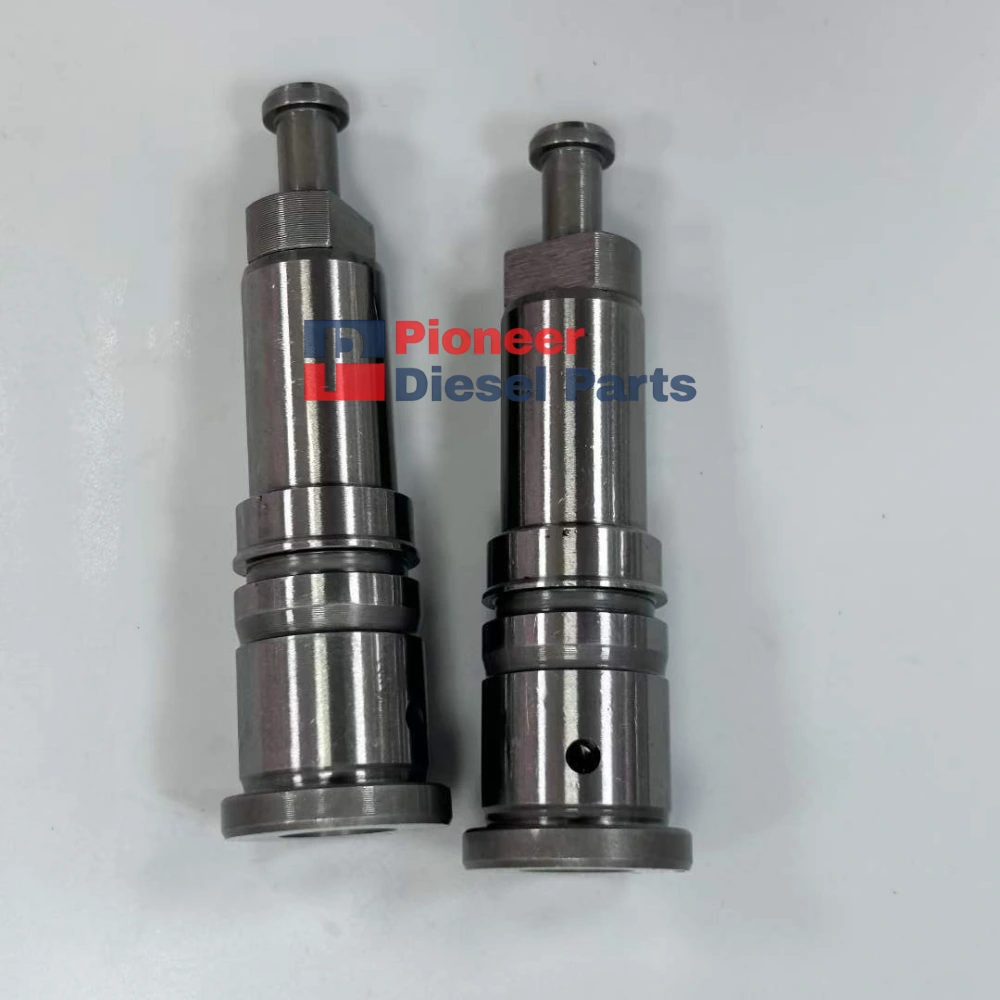
The 134101-6620 pump plunger, identified by the stamp code P51, is a precision component used in P-type mechanical diesel injection pumps.
The plunger moves reciprocally inside the barrel, compressing diesel fuel to generate the high pressure required for injector atomization and combustion.
Primary Functions
The P51 plunger is responsible for:
- Generating high-pressure fuel delivery
- Controlling fuel quantity per injection cycle
- Supporting injection timing stability
- Maintaining proper sealing between plunger and barrel
Critical Design Feature
The close clearance between the plunger and barrel is essential for proper operation. Excessive wear increases internal leakage, reduces injection pressure, and affects engine performance.
The P51 stamp code identifies the plunger design and calibration profile, helping technicians select the correct replacement part during injection pump repair.
3. Technical Specifications & Manufacturing Features
| Parameter | Specification |
|---|---|
| OEM Part Number | 134101-6620 |
| Stamp Code | P51 |
| Reference Number | 1 341 016 620 |
| Component Type | P-Type Pump Plunger Element |
| Fuel System | Mechanical Diesel Injection Pump |
| Material | Hardened Alloy Steel |
| Manufacturing Process | Precision machining and grinding |
| Application | Heavy-duty diesel fuel injection systems |
Key Manufacturing Features
Wear resistance
Hardened surface treatment improves durability during continuous operation.
Dimensional accuracy
Precision machining maintains correct plunger-to-barrel clearance.
Sealing performance
Accurate manufacturing reduces internal fuel leakage and helps maintain injection pressure.
4. Applications and Compatible Diesel Systems
The P51 plunger is widely used in mechanical diesel injection systems across heavy-duty and industrial sectors.
Common Applications
- Heavy-duty commercial trucks
- Construction equipment
- Agricultural machinery
- Diesel generators
- Industrial diesel engines
- Fuel injection pump rebuilding applications
Compatibility Verification
Before replacement, always confirm compatibility through:
- OEM number: 134101-6620
- Stamp code: P51
- Injection pump model
- Engine specifications
- Technical dimensions
For diesel distributors and repair shops, the P51 plunger is commonly stocked as a replacement component for injection pump maintenance and rebuilding.
5. Common Failure Symptoms of a Worn P51 Plunger
A worn P51 plunger can reduce injection pump efficiency, causing inaccurate fuel delivery and lower engine performance. Similar symptoms may also result from injector issues, contaminated fuel, or incorrect timing, so complete system inspection is recommended.
Hard Starting
Reduced injection pressure caused by plunger and barrel wear may lead to:
- Extended cranking time
- Difficult cold starts
- Poor starting reliability
Reduced Power Under Load
Insufficient fuel delivery can cause:
- Weak acceleration
- Loss of pulling power
- Poor performance in heavy-duty applications
Rough Idle and Engine Vibration
Unstable fuel delivery may result in:
- Rough idle
- Engine vibration
- Fluctuating RPM
Black Smoke and Poor Combustion
Poor injection performance may cause:
- Incomplete combustion
- Excessive black smoke
- Higher emissions
Increased Fuel Consumption
Reduced injection efficiency can lead to:
- Higher fuel usage
- Increased operating costs
Misfire and Uneven Engine Performance
Irregular fuel delivery may cause:
- Engine hesitation
- Uneven operation
- Reduced overall performance
6. How to Diagnose a Failing P51 Plunger
Accurate diagnosis is important because similar symptoms can be caused by injector failure, fuel contamination, or incorrect injection timing.
The following methods help determine whether the P51 plunger requires replacement.
Visual Inspection
Inspect the plunger and barrel assembly for:
- Surface scoring or scratches
- Visible wear patterns
- Corrosion or pitting
- Abnormal discoloration
- Excessive clearance
A damaged plunger surface reduces sealing performance and lowers injection pressure.
Injection Pump Bench Test
A professional pump test bench can evaluate:
- Injection pressure
- Fuel delivery volume per stroke
- Delivery consistency between cylinders
- Internal leakage rate
If the pump cannot maintain proper pressure or fuel delivery, the plunger condition should be checked.
Leakage Test
Excessive leakage between the plunger and barrel is a major indicator of wear.
High internal leakage may cause:
- Reduced injection pressure
- Hard starting
- Power loss
- Increased fuel consumption
Fuel Quality Inspection
Poor fuel quality accelerates plunger wear.
Check for:
- Water contamination
- Dirt and abrasive particles
- Poor fuel cleanliness
- Fuel system deposits
Clean fuel and proper filtration are essential for protecting precision diesel injection components.
7. Maintenance Tips to Extend P51 Plunger Service Life
Service life depends on fuel quality, operating conditions, and maintenance practices.
Proper maintenance helps reduce premature wear.
Use Clean Diesel Fuel
Contaminated fuel can damage precision injection components.
Maintaining fuel quality helps reduce:
- Abrasive wear
- Corrosion caused by water contamination
- Internal component damage
Replace Fuel Filters Regularly
Fuel filters protect the injection system from contaminants.
Regular replacement helps prevent particles from entering the close-clearance area between the plunger and barrel.
Prevent Fuel System Contamination
Avoid allowing:
- Water
- Dust and dirt
- Poor-quality fuel
to enter the fuel system.
Even small particles can damage precision plunger surfaces.
Properly Bleed the Fuel System
After fuel filter replacement or injection system repairs, remove trapped air before operation.
Air in the system may cause:
- Unstable fuel delivery
- Difficult starting
- Potential component damage
Maintain Correct Injection Timing
Correct injection timing helps maintain:
- Engine performance
- Fuel efficiency
- Component durability
8. P51 Plunger Replacement Guide
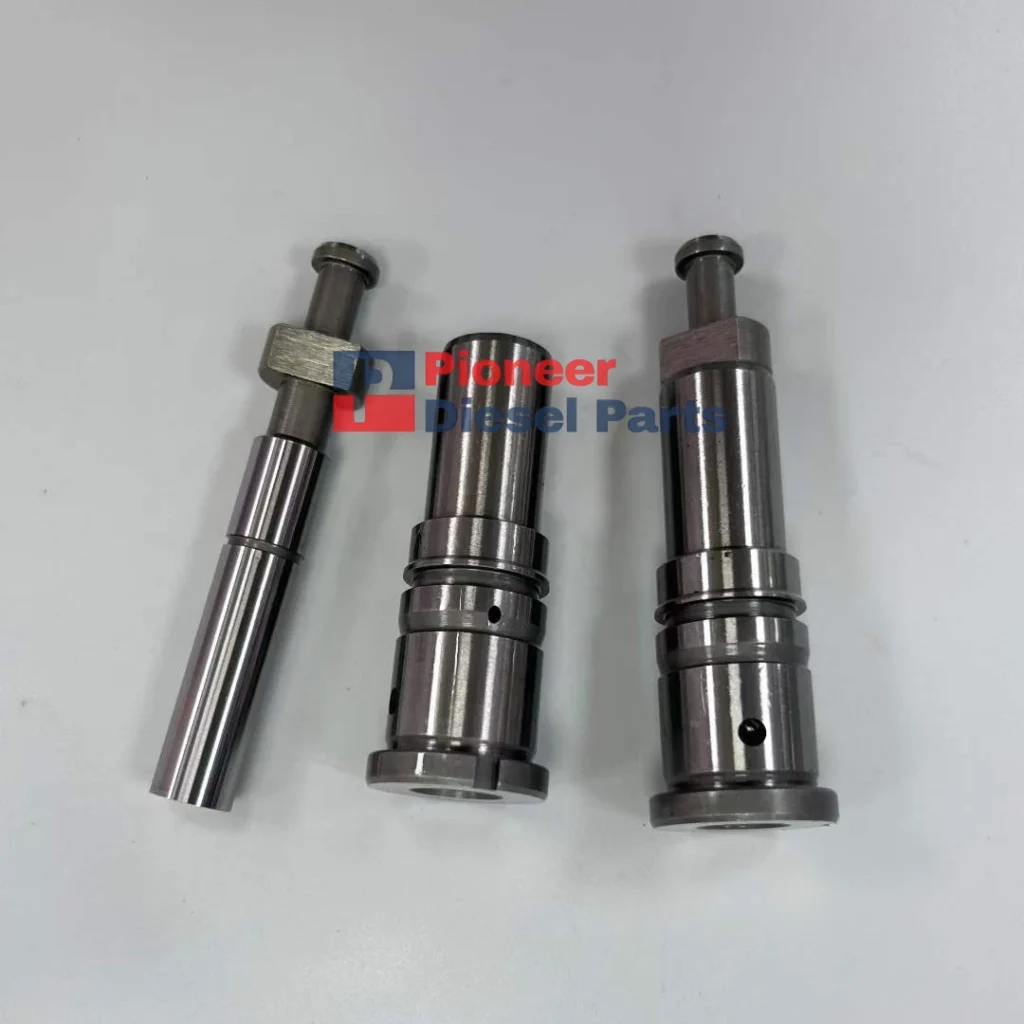
Replacing a diesel injection pump plunger requires specialized knowledge and equipment because the plunger and barrel operate with extremely tight clearances.
Incorrect installation may result in:
- Low injection pressure
- Fuel leakage
- Poor engine performance
- Injection pump damage
- Premature component failure
Required Tools
Professional replacement normally requires:
- Injection pump timing tools
- Calibrated torque wrench
- Plunger removal and installation tools
- Cleaning equipment
- Injection pump service manual
- Pump test bench for final calibration
Replacement Overview
- Remove injection pump from engine
Follow the correct service procedure before disassembly. - Disassemble and inspect components
Check the barrel, seals, and other related injection pump parts. - Remove old plunger
Inspect the barrel condition and confirm whether replacement parts are required. - Install new 134101-6620 P51 plunger
Verify the part number, stamp code, and correct installation position. - Perform pump bench testing
Confirm injection pressure, fuel delivery volume, and overall pump performance. - Reinstall pump and adjust timing
Bleed the fuel system after installation and verify proper engine operation.
Critical Notes
The plunger and barrel should be inspected together because their clearance directly affects injection pressure and fuel delivery.
Professional rebuilders normally perform pump bench testing after replacement to confirm calibration.
Important: Injection pump rebuilding requires specialized tools and experience. Professional technicians should perform installation and calibration to ensure reliable operation.
9. Related P-Type Plunger Models
Explore other plunger models from the same series and find compatible diesel injection components for different engine applications.
- Pump Element Plunger P31 134101-4520 for NISSAN DIESEL UD RD10
- Pump Element Plunger P44 134101-5820 for Hino EK100 EK200 K13D K13U
- Plunger and Barrel P48 134101-6320 for Mitsubishi FUSO 6D22 6D22T
- Pump Element Plunger P55 134101-7120 for Mitsubishi Fuso 6D22 8DC10 8DC9
- Pump Plunger P74 134101-9120 for ISUZU 8PC1 10PC1 12PC1 10PD1 12PD1
Learn more about diesel injection systems, component maintenance, failure diagnosis, and replacement guides through our related technical articles.
- 2418455196 X170S Plunger: Applications, Specifications, Failure Symptoms & Replacement Guide
- 134178-5220 PT78 Plunger: Hino J08C Applications, Specs, Failures & Replacement
- Pump Element Plunger P55 134101-7120 for Mitsubishi Fuso 6D22 8DC10 8DC9
- Pump Element Plunger P3 134101-1520 for Nissan PD6T PE6T RD10
10. Frequently Asked Questions
Q1: What is the OEM number for the P51 plunger?
A: The OEM number is 134101-6620, also referenced as 1 341 016 620 and identified by stamp code P51.
Q2: What applications use the 134101-6620 P51 plunger?
A: It is used in compatible mechanical diesel injection pump systems found in heavy-duty trucks, construction equipment, agricultural machinery, and industrial diesel engines.
Q3: Which injection pumps use the P51 plunger?
A: The P51 is primarily used in P-type mechanical diesel injection pumps. Always confirm compatibility by OEM number, stamp code, and injection pump model.
Q4: What material is the 134101-6620 plunger made from?
A: Hardened alloy steel, processed through precision machining and grinding for wear resistance, dimensional accuracy, and reliable operation.
Q5: How often should the P51 plunger be replaced?
A: There is no fixed replacement interval. Service life depends on fuel quality, operating conditions, maintenance practices, and engine workload. Replace when wear exceeds specifications during injection pump servicing.
Q6: What are the symptoms of a worn P51 plunger?
A: Common symptoms include hard starting, reduced power, rough idle, black smoke, increased fuel consumption, and uneven combustion. See Section 5 for detailed descriptions.
Q7: Can the P51 plunger be replaced separately from the barrel?
A: In some cases, yes. However, professional rebuilders inspect both plunger and barrel together because their clearance directly affects injection pressure and fuel delivery. If the barrel is worn, replacing only the plunger may not resolve the issue.
11. Conclusion
The 134101-6620 (P51) pump plunger is a critical component in mechanical diesel injection systems, responsible for generating injection pressure, controlling fuel delivery, and supporting stable engine performance.
Key Takeaways
Recognize the symptoms
Hard starting, power loss, rough idle, black smoke, and increased fuel consumption may indicate plunger wear.
Diagnose properly
Visual inspection, leakage testing, and pump bench testing help identify plunger-related issues.
Maintain proactively
Clean fuel, regular filter replacement, and proper fuel system maintenance help extend service life.
Replace correctly
Always verify:
- OEM number: 134101-6620
- Stamp code: P51
- Injection pump compatibility
Professional calibration after replacement is essential for reliable engine operation.
For diesel repair shops, distributors, and fleet maintenance providers, selecting a correctly matched 134101-6620 P51 replacement plunger helps maintain injection pump performance and reduce downtime.
Disclaimer
All brand names, trademarks, OEM part numbers, engine models, equipment models, and vehicle names mentioned in this article are used for reference and compatibility identification purposes only. Unless expressly stated otherwise, all products featured are high-quality aftermarket replacement parts and are not genuine OEM products, nor are they manufactured, affiliated with, endorsed, or sponsored by the respective original equipment manufacturers. All trademarks and registered trademarks are the property of their respective owners.