
The Weichai WP5N is a 4.58L inline-four diesel engine designed for medium-duty cargo trucks and special-purpose vehicles, including refrigerated trucks. It features turbocharged and intercooled induction, electronically controlled high-pressure common rail fuel injection, and China VI emissions technology.
The WP5N engine family covers power ratings from 200 PS to 245 PS, with maximum torque of up to 850 N·m. The WP5NQ245E62, for example, delivers 177 kW at 2,300 rpm and 850 N·m at 1,300–1,600 rpm.
For yellow-plate refrigerated trucks, Weichai also offers a WP5N+WP5H product combination rated at up to 300 PS and 1,100 N·m, with a B10 design life of 800,000 km. These figures apply to the combined cold-chain solution, not the standalone WP5N engine.
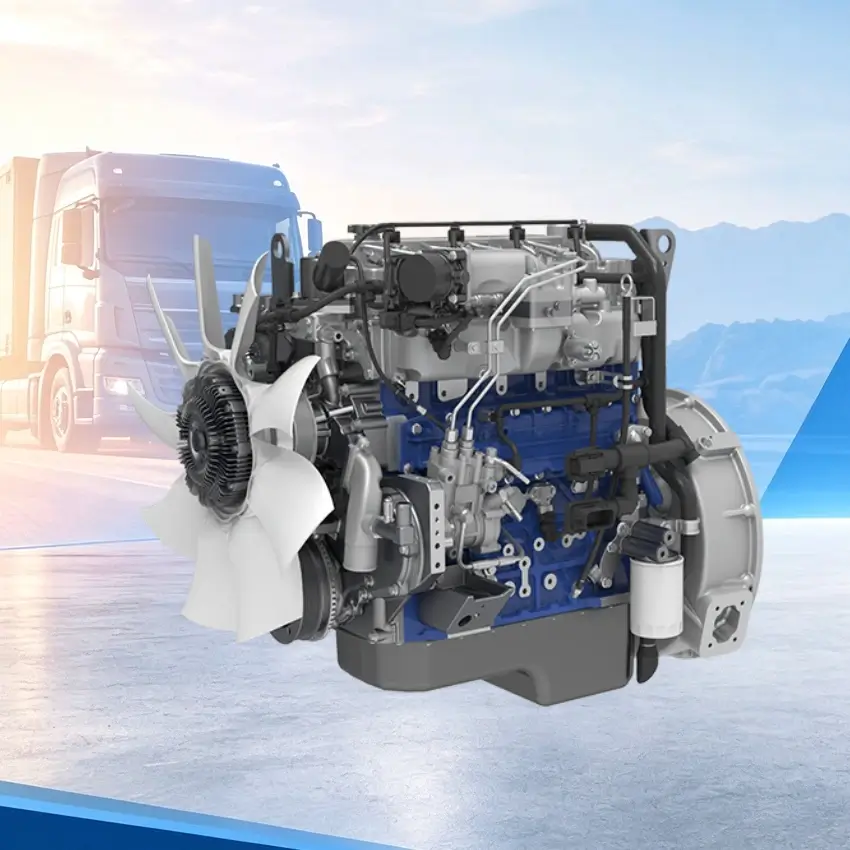
What Is the Weichai WP5N Engine?
The Weichai WP5N belongs to the manufacturer’s four-cylinder diesel engine range, developed for medium-duty commercial vehicles requiring a balance of power, fuel economy, and durability.
With a displacement of 4.58 liters, the engine uses a four-valve-per-cylinder configuration, turbocharged and intercooled induction, and electronically controlled high-pressure common rail injection.
Its applications include 4×2 cargo trucks, special-purpose vehicles, and mixer trucks. In refrigerated transport, the WP5N is part of Weichai’s dedicated WP5N+WP5H cold-chain power solution.
The WP5N and WP5H are separate engine models with different output ranges. Identifying the installed engine is essential when comparing specifications or purchasing replacement parts.
What Are the Weichai WP5N Engine Specifications?
The WP5N is available in different power configurations to meet various medium-duty vehicle requirements.
Main Technical Specifications
- Engine family: Weichai WP5N
- Displacement: 4.58 L
- Configuration: Inline 4-cylinder
- Engine cycle: Four-stroke
- Valves: 4 per cylinder
- Bore × stroke: 108 × 125 mm
- Aspiration: Turbocharged and intercooled
- Fuel system: Electronically controlled high-pressure common rail
- Emission standard: China VI for the E62 configurations
- Technical route: CR + DOC + DPF + Hi-SCR
WP5N Model Specifications
WP5NQ245E62
- Rated power: 177 kW at 2,300 rpm
- Official power rating: 245 PS
- Maximum torque: 850 N·m
- Torque speed: 1,300–1,600 rpm
WP5NQ220E62
- Rated power: 162 kW at 2,300 rpm
- Official power rating: 220 PS
- Maximum torque: 850 N·m
- Torque speed: 1,300–1,600 rpm
WP5NQ200E62
- Rated power: 147 kW at 2,300 rpm
- Official power rating: 200 PS
- Maximum torque: 750 N·m
- Torque speed: 1,200–1,800 rpm
Dimensions and Weight
For the listed WP5N special-purpose vehicle configuration:
- Dimensions (L × W × H): 819 × 695 × 820 mm
- Weight: 393 kg
Actual weight and installation dimensions may vary with engine configuration and vehicle equipment.
What Is the Difference Between WP5N and WP5H?
The WP5N provides 200–245 PS and maximum torque of up to 850 N·m. The WP5H covers a higher power range of 245–300 PS, with maximum torque reaching 1,100 N·m.
Both belong to Weichai’s four-cylinder engine range, but the WP5H targets applications requiring higher output.
In the yellow-plate cold-chain market, Weichai combines the two engine families in a product solution rated at up to 300 PS and 1,100 N·m. This combined rating should not be confused with the standalone WP5N specification.
What Makes the Weichai WP5N Engine Suitable for Cold-Chain Transport?
Refrigerated trucks often operate under demanding conditions, including frequent stops, varying payloads, urban delivery routes, and extended operating hours. The WP5N platform offers several characteristics suited to medium-duty transport.
Strong Low-Speed Torque
The WP5NQ245E62 delivers 850 N·m between 1,300 and 1,600 rpm. This torque range supports acceleration and loaded driving, particularly on routes involving frequent speed changes.
Fuel Economy and Engine Calibration
The electronically controlled common rail system adjusts fuel injection according to engine speed and load. Combined with optimized combustion and air intake systems, it supports efficient fuel use under different operating conditions.
Weichai also emphasizes dedicated operating-condition calibration for its WP5N+WP5H cold-chain solution.
Actual fuel consumption depends on vehicle weight, transmission, road conditions, driving habits, and refrigeration equipment.
Durability and Compact Design
Weichai states that its WP5N+WP5H cold-chain solution achieves a B10 design life of up to 800,000 km through optimization of the engine block, pistons, and related components.
B10 is a statistical durability indicator, not a guaranteed service life for every engine.
The listed WP5N configuration measures 819 × 695 × 820 mm and weighs 393 kg, supporting installation in medium-duty truck chassis with limited engine compartment space.
Which Vehicles Use the Weichai WP5N Engine?
Refrigerated Trucks
The WP5N+WP5H combination is positioned for yellow-plate refrigerated trucks transporting fresh food, frozen products, dairy goods, and other temperature-sensitive cargo.
These vehicles require reliable propulsion and suitable fuel economy across long-distance transport and frequent delivery operations.
Refrigeration equipment may use an independent diesel engine, electric drive, or vehicle-integrated compressor, depending on the vehicle configuration.
Medium-Duty Cargo Trucks
The WP5NQ245E62, WP5NQ220E62, and WP5NQ200E62 configurations are designed for medium-duty cargo transport. Their different power ratings allow vehicle manufacturers to match engine output with payload and operating requirements.
Special-Purpose Vehicles and Mixer Trucks
The WP5N is also listed for special-purpose vehicles and mixer trucks. Its four-cylinder configuration and available torque output support commercial applications involving repeated operating cycles and varying loads.
How Does the WP5N Fuel and Emission System Work?
High-Pressure Common Rail Fuel System
The WP5N uses electronically controlled high-pressure common rail injection to deliver fuel according to engine operating conditions.
The main functions include:
- Controlling fuel injection timing and quantity.
- Improving fuel atomization and combustion.
- Supporting stable power delivery.
- Helping balance fuel economy and emissions.
The high-pressure pump supplies fuel to the common rail, while electronically controlled injectors deliver the required fuel into the cylinders.
Because these components operate with precision clearances, fuel cleanliness is essential. Water and particulate contamination can damage the pump and injectors.
China VI Aftertreatment System
The listed E62 configurations use the CR + DOC + DPF + Hi-SCR technical route.
- DOC: Helps oxidize carbon monoxide and hydrocarbons.
- DPF: Captures particulate matter and soot from exhaust gases.
- Hi-SCR: Uses selective catalytic reduction to reduce nitrogen oxide emissions.
Correct aftertreatment operation depends on suitable fuel quality, exhaust temperature, functioning sensors, and appropriate maintenance.
What Are Common Weichai WP5N Engine Problems?
Publicly available WP5N-specific failure statistics are limited. The following are general diagnostic references for common rail diesel engines and China VI aftertreatment systems, not confirmed WP5N failure rates.
1. Reduced Power and Black Smoke
Possible causes include restricted air intake, boost pressure leaks, fuel contamination, or injector problems.
Check the following:
- Air filter restriction.
- Turbocharger and intercooler hoses.
- Intake system leaks.
- Fuel filter and water separator.
- Fuel rail pressure and injector performance.
Inspect the air and fuel systems before replacing major components.
2. Frequent DPF Regeneration
Frequent DPF regeneration may occur when the engine operates for extended periods at low loads or under conditions that prevent sufficient exhaust temperature.
Recommended checks include:
- DPF differential pressure.
- Soot loading and regeneration history.
- Exhaust temperature sensor readings.
- Engine and aftertreatment fault codes.
- Fuel injection and air intake conditions.
If regeneration cannot complete normally, professional inspection may be required to determine whether the DPF needs cleaning or replacement.
3. Difficult Cold Starting
Cold-start problems may result from fuel waxing, restricted filters, weak batteries, insufficient cranking speed, or inadequate fuel pressure.
Inspect:
- Battery voltage during cranking.
- Starter motor performance.
- Fuel filter restriction.
- Seasonal diesel fuel suitability.
- Low-pressure fuel supply.
- Common rail pressure during starting.
Using appropriate winter-grade diesel and maintaining the fuel system can help improve cold-weather starting reliability.
4. Unstable Idle and Poor Acceleration
These symptoms may be associated with injector performance, fuel pressure fluctuations, intake restrictions, or sensor faults.
Read the engine fault codes and check relevant fuel rail pressure and injector data before replacing components.
How Should You Maintain a Weichai WP5N Engine?
Regular maintenance helps protect the fuel system, maintain engine performance, and reduce unexpected downtime.
WP5N Maintenance Schedule
| Service Item | Standard Interval | Severe Duty (High Idle, Cold Chain) |
|---|---|---|
| Engine oil and filter | Per vehicle OEM schedule | Shorten by 30% if idle hours exceed 30% of operating time |
| Fuel filter | 20,000–30,000 km | 10,000–15,000 km in variable fuel quality markets |
| Water separator drain | Daily | Daily |
| Air filter element | Per restriction indicator | Inspect weekly in dusty distribution environments |
| DPF inspection | According to regeneration frequency | At every oil change if frequent active regenerations occur |
| Coolant test | Every 6 months | Every 3 months |
| Belt and tensioner | 60,000 km | 30,000 km |
These are practical maintenance recommendations for the operating conditions discussed in this guide. Follow the engine-specific maintenance manual and vehicle manufacturer’s requirements where they differ.
Engine Oil and Filter
Engine oil lubricates moving parts, reduces friction, and helps control operating temperature.
For refrigerated trucks with extended idling, maintenance should account for both engine hours and vehicle mileage. Oil degradation is influenced by operating time and load, not just distance traveled.
Fuel Filter and Water Separator
The common rail system requires clean fuel. Replace fuel filters according to the maintenance schedule and consider shorter intervals in markets with inconsistent fuel quality.
Drain the water separator daily and inspect it for excessive water or contamination.
Air Intake and Cooling System
Inspect the air filter according to its restriction indicator. Dusty distribution centers and construction environments may require more frequent checks.
Also inspect the turbocharger hoses, intercooler connections, radiator, coolant level, and cooling system for leakage or damage.
DPF and SCR Maintenance
Monitor DPF regeneration frequency, differential pressure, and relevant dashboard warnings.
If regeneration becomes unusually frequent, investigate the operating conditions and check for sensor, fuel injection, or exhaust system problems before replacing the DPF.
Why Should Cold-Chain Fleets Track Engine Hours?
Refrigerated trucks may spend considerable time idling during loading, unloading, and delivery operations.
This creates engine operating hours without a corresponding increase in mileage. Tracking both measurements helps fleets plan oil changes, fuel system maintenance, and aftertreatment inspections more accurately.
Which Replacement Parts Should Weichai WP5N Engine Owners Check?
Regular inspection of service components helps maintain engine reliability and protect the fuel and air systems.
Common Service and Replacement Components
Fuel System
- Fuel filter elements.
- Water separator elements.
- High-pressure fuel pump components.
- Common rail injectors.
- Fuel lines and seals.
Engine and Intake System
- Oil filter elements.
- Air filter elements.
- Engine gaskets and seals.
- Turbocharger hoses.
- Cooling system components.
- Drive belts and tensioners.
Emission System
- Diesel particulate filter (DPF).
- Exhaust temperature sensors.
- Differential pressure sensors.
- SCR-related components.
How to Verify WP5N Replacement Part Compatibility
Parts listed for WP5NG, WP7NG, or other related engine families are not automatically interchangeable with WP5N components.
Before purchasing replacement parts, confirm:
- Complete engine model, such as WP5NQ245E62.
- Engine serial number.
- Original part number or markings on the old component.
- Vehicle manufacturer and application.
- Technical compatibility with the installed engine configuration.
For injectors, high-pressure pumps, control valves, and other precision fuel system components, accurate part-number verification is particularly important.
More Weichai Engine Guides
- Weichai WP3NNG Engine Specs and Applications for 4×2 Light-Duty Blue-Plate Trucks
- Weichai WP2.5N Engine Specs and Applications for Light-Duty Refrigerated Trucks
- Weichai WP8T WP8H and WP8Q Engine Specs and Applications for Medium and Heavy-Duty Dump Trucks
- Weichai WP15Hs and WP15T Engine Specs and Applications for Medium and Heavy-Duty Special-Purpose Vehicles
Read more:
- Weichai WP7H Engine Specs and Applications for 130-220 PS Tractors
- M21 Diesel Engine
- Weichai WP6 Engine Specs and Applications for Medium and Heavy-Duty Cargo Trucks
- Weichai WP8NG Engine Specs and Applications for Green Freight and Cold-Chain Trucks
FAQ About The Weichai WP5N Engine
1. What Is the Difference Between Weichai WP5N and WP5H?
The WP5N provides 200–245 PS and up to 850 N·m, while the WP5H offers 245–300 PS and up to 1,100 N·m. They are separate engine models that can be combined in Weichai’s yellow-plate cold-chain power solution.
2. Which Refrigerated Trucks Use the Weichai WP5N Engine?
The WP5N is included in Weichai’s power solutions for yellow-plate refrigerated trucks, particularly through the WP5N+WP5H combination. Actual installations depend on the truck manufacturer’s engine configuration.
3. What Factors Affect Weichai WP5N Engine Performance in Refrigerated Trucks?
Engine performance depends on vehicle load, road conditions, driving habits, maintenance quality, and cooling system operation. Regular fuel filter replacement, clean air intake, proper coolant levels, and timely DPF maintenance help maintain stable power and reliable operation during refrigerated transport.
4. What Emission System Does the WP5N Use?
The listed WP5N E62 configurations use CR + DOC + DPF + Hi-SCR technology. These systems work together to control particulate matter, hydrocarbons, carbon monoxide, and nitrogen oxide emissions.
5. How Does Long Idling Affect WP5N Engine Performance?
Extended idling increases engine operating hours and may accelerate oil degradation and DPF soot accumulation. Fleet operators should track engine hours and monitor aftertreatment performance, particularly in frequent-stop delivery applications.
6. How Often Should a WP5N Engine Be Serviced?
Maintenance depends on engine configuration and operating conditions. General guidance includes daily water separator draining, fuel filter replacement every 20,000–30,000 km, and coolant testing every six months. Shorter intervals are recommended for severe cold-chain duty.
7. How Can I Find the Correct Replacement Parts for a WP5N Engine?
Provide the complete engine model, serial number, original part number, and vehicle application. These details help verify compatibility and avoid ordering components intended for other WP5-series engine variants.
Conclusion
The Weichai WP5N is a 4.58L diesel engine designed for medium-duty cargo trucks and special-purpose vehicles. Its 200–245 PS power range, common rail fuel system, and China VI aftertreatment technology make it suitable for various commercial transport applications.
For refrigerated truck fleets, selecting the correct engine configuration, following appropriate maintenance schedules, and verifying replacement part compatibility are essential for reliable operation.
Workshops, fleet operators, and diesel parts distributors can use the complete engine model, serial number, or original part number to identify suitable WP5N replacement components.