
Metering Unit Valve 0928400818 is a fuel metering component associated with selected Bosch CP1H high-pressure common rail pumps. It regulates the quantity of fuel entering the high-pressure pump and helps the fuel system respond to changing engine operating requirements.
This metering unit may be relevant to selected applications involving MAN D20/D26, Isuzu 4HK1/6HK1, Yuchai 4F and Cummins ISB engines. However, engine model alone does not establish compatibility. The original metering valve number and complete high-pressure pump number should be checked before ordering a replacement.
This guide explains the function of 0928400818, associated pump references, potential symptoms, diagnostic considerations, replacement procedures and a real fleet repair case.
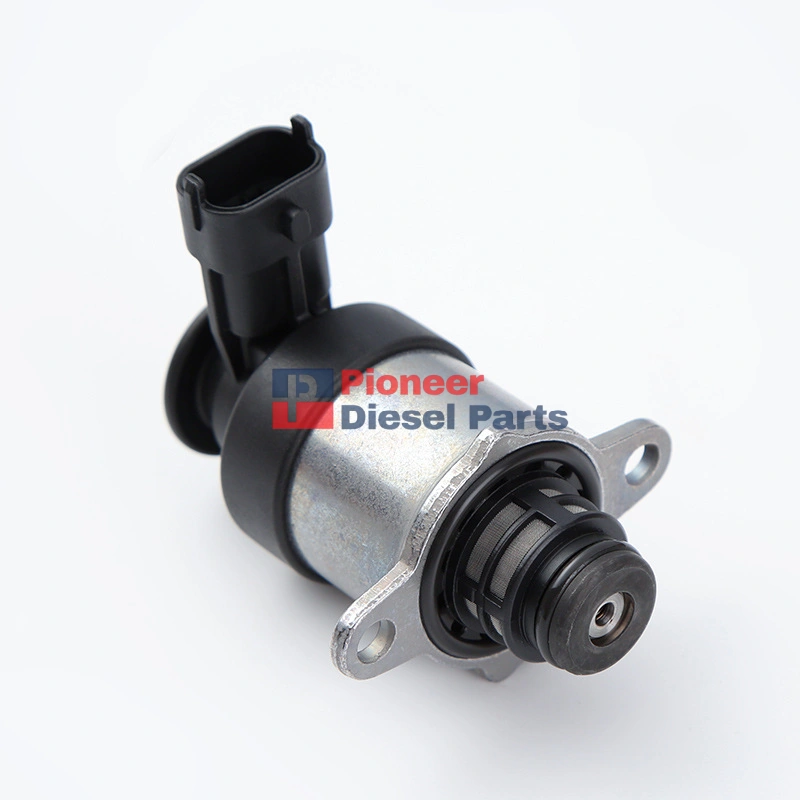
What Does Metering Unit 0928400818 Do?
Metering Unit 0928400818 is fitted to a compatible high-pressure fuel pump in a diesel common rail system. Its primary function is to regulate the amount of fuel admitted into the pump’s pressurization chambers.
The high-pressure pump raises fuel pressure and delivers fuel to the common rail. The engine management system controls fuel injection according to operating conditions, while the metering unit helps manage the fuel supplied to the pump.
Fuel Quantity Regulation
The metering unit controls fuel admission according to the control strategy of the compatible pump and engine management system. This supports fuel delivery during starting, idling, acceleration and changing engine loads.
Contribution to Rail Pressure Control
Rail pressure is affected by several components and operating conditions, including fuel supply, pump output, metering control, injector return flow and the system’s pressure control strategy.
A malfunctioning metering unit may contribute to unstable or insufficient rail pressure. However, pressure deviations do not automatically mean the valve is defective.
Why Correct Identification Matters
Metering valves may look similar but differ in their intended application, electrical characteristics or internal control behavior. A valve that physically fits may not be a suitable functional replacement.
Confirm the part number and pump application before installation to reduce the risk of compatibility problems and unnecessary repairs.
What Are the Technical Specifications of Metering Unit 0928400818?
The key identification details for this component are its part number, function and associated pump application.
Basic Identification
- Part number: 0928400818
- Component type: Fuel metering unit / metering control valve
- Fuel system: Diesel common rail
- Associated pump family: Selected CP1H high-pressure fuel pumps
- Primary function: Regulates fuel quantity entering the high-pressure pump
- Replacement type: New aftermarket replacement, unless otherwise specified
Specification Verification
Exact electrical values, installation dimensions, seal specifications and tightening requirements should be confirmed against the original component and the applicable pump service information.
Do not assume that all CP1H pumps share the same metering valve specifications. Similarly, avoid applying a generic tightening torque or electrical test value when the requirements for the specific pump have not been confirmed.
Which CP1H Pump Numbers and Engine Applications Are Compatible Metering Unit 0928400818?
The following pump references are intended to help identify potential applications for Metering Unit 0928400818. The individual pump number and original valve identification must still be checked before ordering.
Associated High-Pressure Pump Numbers
The pump references to check include:
- 0445025014
- 0445025015
- 0445025016
- 0445025017
- 0445025018
- 0445025020
- 0445025021
- 0445025022
- 0445025023
- 0445025024
- 0445025026
- 0445025027
- 0445025028
- 0445025029
- 0445025030
- 0445025032
- 0445025033
- 0445025034
- 0445025036
- 0445025038
- 0445025040
- 0445025041
These references provide a starting point for fitment checks. They should not be interpreted as proof that every pump variant uses the same metering valve.
Associated Engine Applications
The engine families to check include:
- MAN D20 and D26: Confirm the installed high-pressure pump and engine configuration.
- Isuzu 4HK1 and 6HK1: Verify the pump identification number and original metering valve.
- Yuchai 4F: Check the exact pump assembly fitted to the engine.
- Cummins ISB: Confirm the complete pump number and original component before ordering.
An engine family may include different fuel system configurations across production periods and equipment models. The engine designation alone is therefore not sufficient to confirm fitment.
How to Confirm the Correct Part
Before placing an order, prepare the following information:
- The number marked on the original metering unit.
- The complete high-pressure pump number from the identification plate.
- The engine model and, where available, the engine serial number.
- Clear photographs of the pump label and removed valve.
Compare these details with the supplier’s application information. If the original valve number or pump number differs from the expected application, obtain confirmation before installing a replacement.
Are Other Metering Valve Numbers Interchangeable?
Do not assume that another metering valve is interchangeable with 0928400818 because it looks similar or is associated with the same pump family.
An alternative number should only be treated as equivalent when supported by reliable catalog information or technical confirmation for the specific pump. When the number differs, verify the cross-reference before purchasing.
What Problems Can a Faulty Metering Unit Cause?
A malfunctioning metering unit can affect fuel admission into the high-pressure pump. The resulting symptoms vary depending on the nature of the fault and the rest of the fuel system.
Hard Starting or Extended Cranking
The engine may take longer to start or fail to start if the fuel system cannot establish the required starting pressure. A metering unit fault is one possible cause, but supply restrictions, air ingress, excessive injector return flow and pump wear can produce similar symptoms.
Rough Idle or Unstable Engine Operation
The engine may idle unevenly, fluctuate in speed or run more smoothly as engine speed increases. Such behavior can be associated with unstable fuel delivery, but it is not specific to the metering unit.
Fuel Pressure Fault Codes
The engine management system may record fuel pressure or pressure regulation codes when actual rail pressure does not follow the requested value. Codes such as P0087 or P0089 may be relevant, depending on the engine and diagnostic system.
These codes indicate a problem requiring investigation; they do not independently confirm that the metering valve has failed.
Reduced Power or Engine Derating
If the fuel system cannot maintain the pressure required under load, the engine may lose power or enter a derated operating mode. Other fuel system or engine faults can produce the same result.
Smoke or Poor Engine Response
Fuel pressure instability may affect combustion and engine response. However, smoke and poor acceleration can also result from injector faults, air intake restrictions, turbocharger problems and other issues. These symptoms should not be used alone to identify a failed metering unit.
How Should You Diagnose Metering Unit 0928400818?
Diagnosis should establish whether the metering unit is responsible for the problem rather than relying on symptoms or fault codes alone. Check the fuel supply, electronic control and wider fuel system before deciding to replace the valve.
Read Fault Codes and Review Live Data
Use a suitable diagnostic tool to retrieve stored and active codes. Review commanded and actual rail pressure during cranking, idling and other appropriate test conditions.
A persistent difference between commanded and actual pressure can indicate a fuel delivery or control problem. Additional tests are needed to identify the source.
Check the Low-Pressure Fuel Supply
Inspect the fuel filter, supply lines, connections and any applicable lift pump. Check for restrictions, air ingress, leaks or insufficient supply pressure according to the relevant service procedure.
An inadequate fuel supply can prevent the high-pressure pump from operating correctly even when the metering unit is functioning properly.
Inspect the Electrical Circuit
Examine the connector, terminals and wiring harness for corrosion, loose connections or visible damage. Perform electrical tests only according to the specifications and procedure for the particular pump and valve.
Do not apply direct battery voltage to the metering unit unless the manufacturer explicitly specifies that test.
Inspect for Contamination
If the valve has been removed for inspection, check for deposits or contamination that may affect operation. Inspect the fuel filter and other accessible parts of the fuel system for dirt, varnish-like deposits or metal particles.
Metal debris may indicate wider fuel system damage. Replacing the metering unit alone may not resolve the underlying problem if contamination has spread through the system.
Decide Whether Replacement Is Necessary
Consider the diagnostic results together with the original symptoms and service information. If the fuel supply, wiring and other likely causes have been checked and the evidence points to the metering unit, replacement may be appropriate.
Avoid using a generic engine-running unplug test as a definitive diagnosis. Disconnecting a control valve can change fuel pressure behavior and may trigger an unexpected system response. Use the approved diagnostic procedure for the specific engine and pump.
How Was Metering Unit 0928400818 Used in a Real Fleet Repair Case?
A diesel specialist in Birmingham, UK, contacted Pioneer Diesel Parts about fuel system problems affecting a mixed fleet of trucks and excavators. The customer operated seven MAN TGS trucks equipped with D20 engines and five excavators using Isuzu 4HK1 engines.
Symptoms and Initial Checks
The customer reported hard starting, particularly when the engines were cold, and rough idle that became less noticeable as engine speed increased. Diagnostic checks also identified P0087/P0089-related fuel pressure concerns, with actual rail pressure remaining below the commanded value at idle.
The low-pressure fuel supply was reported to be adequate. During inspection, deposits resembling varnish were found on the metering valve screens, but no metal debris was observed.
These findings supported further investigation of the metering units, although the symptoms and deposits alone would not have been enough to confirm compatibility or establish the complete cause of the faults.
Pump and Valve Identification
The customer initially asked Pioneer to confirm whether 12 replacement units could be supplied. To check the application, the customer provided photographs of the pump identification plates and the old metering valves.
Pioneer reviewed the photographs and identified the installed pumps as CP1H variants using Metering Unit 0928400818. This part-number verification helped establish the proposed replacement before the order was finalized.
Replacement and Customer Feedback
Pioneer supplied 12 replacement metering units. The repair shop installed the new valves with new seals, cleaned the fuel systems and reset the applicable adaptations as part of the repair work.
The customer subsequently reported that the hard-starting and rough-idle problems had been resolved. Following this repair, the customer placed a further order for 20 units.
Practical Lessons from the Case
This case highlights three important points for diesel repair work:
- Verify the component before ordering: Photographs of the pump identification plate and original valve can help confirm the application.
- Investigate the wider fuel system: Fuel supply, contamination and other possible causes should be considered rather than assuming that every pressure fault originates in the metering unit.
- Check the result after repair: Confirming engine behavior and reviewing the relevant diagnostic data helps determine whether the repair has addressed the reported problem.
The result described here reflects this customer’s repair experience. It should not be taken as a guarantee that replacing the metering unit will resolve every similar fault.
How Should You Replace Metering Unit 0928400818?
Replacement should be carried out by a technician familiar with diesel common rail systems. High-pressure fuel systems can retain dangerous pressure, so follow the manufacturer’s shutdown and depressurization procedure before working on the pump.
Tools and Preparation
Prepare the verified replacement valve, suitable hand tools, approved cleaning materials and the correct seals for the specific pump. Confirm the part number and installation requirements before removing the original component.
Replacement Procedure
- Identify the pump. Record the complete pump number and verify the replacement valve.
- Make the system safe. Follow the manufacturer’s shutdown and depressurization instructions. Never loosen high-pressure fuel connections to release pressure.
- Clean the work area. Remove dirt around the valve before opening the system.
- Disconnect the electrical connector. Release it carefully and inspect for damage.
- Remove the original valve. Follow the pump-specific procedure and use the appropriate tools.
- Inspect the mounting area. Check for contamination or visible damage and clean using an approved method.
- Install the replacement valve. Fit the correct seals and follow the specified installation and tightening procedure for the pump.
- Reconnect the electrical connector. Make sure the connection is secure and the wiring is not strained.
- Restore the fuel supply. Follow the prescribed priming procedure where required.
- Verify the repair. Check for leaks, review diagnostic data and confirm whether the original symptoms have been resolved.
Do not reuse seals unless the service instructions explicitly permit it. Never operate the engine if fuel leaks are present.
Post-Installation Checks
After installation, check for fuel leaks and returning fault codes. Review commanded and actual rail pressure under the appropriate test conditions, and confirm that starting, idle and engine response are satisfactory.
If the original symptoms remain, continue diagnosing the fuel system rather than automatically assuming that the replacement valve is defective. Other causes may include injector return flow, pump wear, fuel supply restrictions, wiring faults or pressure sensor problems.
How Can You Extend the Service Life of a Metering Valve?
Good fuel system maintenance can reduce contamination-related problems and support reliable operation.
Maintain Fuel Cleanliness
Use diesel fuel that meets the engine manufacturer’s requirements. Replace fuel filters according to the recommended maintenance schedule and investigate recurring filter blockage or signs of contaminated fuel.
Prevent Contamination During Repairs
Clean the pump exterior before opening the system. Keep removed components and replacement parts free from dirt, and use appropriate protective caps where required.
Address Fuel System Faults Promptly
Repeated fuel pressure or metering faults should be investigated early. Continued operation with an unresolved fuel system problem may affect performance or contribute to further component damage.
Verify Replacement Parts Before Installation
Check the valve number, complete pump number and applicable specifications before fitting a replacement. Correct identification reduces the risk of unnecessary installation work and compatibility problems.
Related Metering Unit Models and Guides
- Fuel Metering Unit 0928400728 for Nissan Iveco
- Diesel Metering Unit 0928400736 for Chvrolet Deutz
- Fuel Metering Valve 0928400742 for Mitsubishi Kobelco
- Fuel Metering Unit 0928400750 for Hyundai ix35 1.7 CRDi
Read more:
- Metering Unit 0928400481 How to Find the Right Fit and Avoid Costly Mistakes
- Metering Unit 0928400672 Complete Guide to Applications and Reliable Replacement
- Fuel Metering Unit 0928400760 for Doosan Daewoo MAN
- Fuel Metering Valve 0928400802 for YUCHAI FAW
FAQ About Metering Unit 0928400818
1. What is Metering Unit 0928400818 used for?
It regulates the amount of fuel entering a compatible high-pressure common rail pump. Its operation can influence fuel pressure control and engine performance.
2. Does 0928400818 fit every Bosch CP1H pump?
No. Compatibility must be confirmed against the complete pump number and original valve identification. The CP1H family alone does not guarantee fitment.
3. Can a faulty metering unit cause hard starting?
Yes. Incorrect fuel admission may prevent the pump from establishing the pressure needed for starting. However, fuel supply restrictions, air ingress, injector return flow and other faults can cause similar symptoms.
4. Do P0087 or P0089 codes confirm a failed metering unit?
No. These codes can indicate fuel pressure or pressure regulation problems, depending on the diagnostic system. Additional testing is required to identify the cause.
5. Should I replace the valve whenever actual rail pressure is too low?
No. Check the low-pressure supply, electrical circuit, injector return flow and other relevant components before deciding whether the metering unit is responsible.
6. Can I install a similar-looking metering valve?
Not without confirming compatibility. Similar appearance does not establish equivalent electrical characteristics or control behavior. Verify the part number and pump application before installation.
7. What information is needed to order the correct replacement?
Provide the original metering unit number, complete high-pressure pump number and engine model. Photographs of the pump identification plate and original valve can help confirm the application.
Conclusion
Metering Unit 0928400818 is a fuel control component associated with selected CP1H common rail pump configurations. Correct identification is essential because similar-looking valves and related pump models do not necessarily share the same specifications or fitment.
Before ordering a replacement, confirm the original valve number and complete pump number. If fuel pressure problems occur, use a systematic diagnostic process to distinguish a metering unit fault from other fuel system issues.
Pioneer Diesel Parts supplies new aftermarket diesel fuel system components and can assist with part number verification and compatibility checks. Send the original valve number, pump number and relevant photographs to help identify the appropriate replacement.
Disclaimer: Brand and engine names are used for compatibility and identification purposes only. Unless explicitly stated otherwise, the replacement part is aftermarket, not a genuine OEM component.