
Diesel Fuel Injector 27333 is a mechanical pencil-type diesel fuel injector used on selected John Deere 300 Series diesel engines and related equipment applications. It is commonly associated with naturally aspirated mechanical diesel engines, including selected 4219D and 4239D applications.
The injector is commonly identified by Reference Part No. 27333 and a Blue color code. It is also referenced for selected 152 CID, 164 CID, 202 CID, and 219 CID engines. Because John Deere used different injector specifications across various applications, the engine and existing injector identification should be checked before ordering.
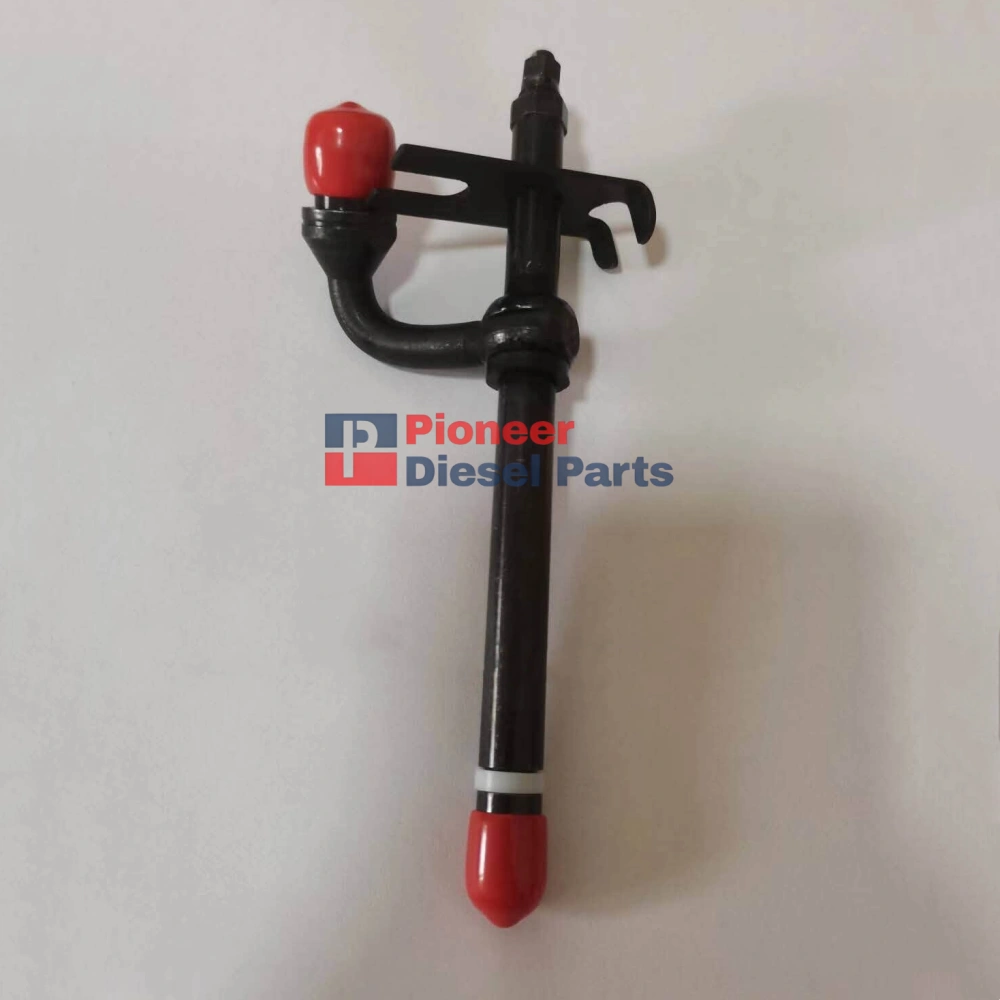
What Is Fuel Injector 27333?
Fuel Injector 27333 is a mechanical pencil-type diesel fuel injector associated with selected John Deere 300 Series mechanical diesel engines.
The injector works with a mechanical fuel injection pump to deliver and atomize diesel fuel into the combustion chamber. Its opening pressure, needle movement, nozzle condition, and spray pattern are important to proper fuel delivery.
Fuel Injector 27333 is commonly identified by the Reference Part No. 27333 and Blue color code.
Because John Deere used different pencil injector specifications across various engines and production configurations, the injector number should be checked together with the engine and equipment information rather than relying only on appearance or a general model reference.
What Are the Specifications of Fuel Injector 27333?
Commonly referenced specifications for Fuel Injector 27333 include:
- Injector type: Mechanical pencil-type diesel injector
- Reference Part No.: 27333
- Color code: Blue
- Needle diameter: 3.55 mm
- Number of spray holes: 4
- Thread: 9/16″ UNF
- Typical aftermarket opening pressure reference: 3200 ± 50 PSI
- Fuel injection system: Mechanical diesel injection
Some replacement references specify an opening pressure of approximately 210 bar, so calibration references can differ between replacement sources. For this reason, the applicable specification should be confirmed for the specific application, and the injector should be tested on suitable diesel injector test equipment before installation.
Opening pressure is an important part of injector operation. Incorrect pressure, poor needle movement, damaged nozzle orifices, or poor sealing can affect fuel atomization and combustion.
Which John Deere Engines and Equipment Use Fuel Injector 27333?
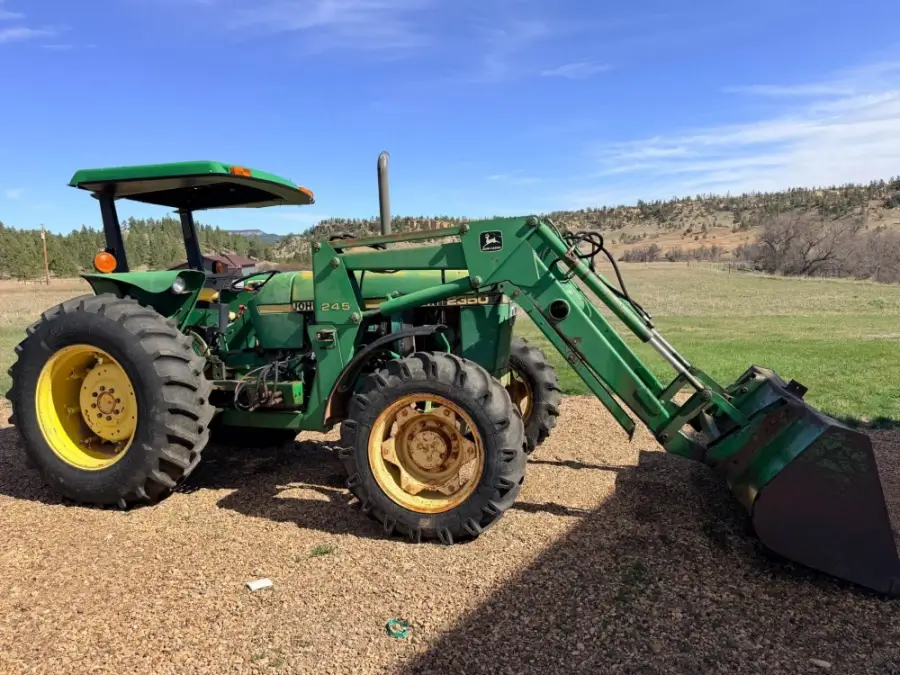
Fuel Injector 27333 is associated with selected John Deere 300 Series mechanical diesel engines and equipment using compatible engines.
Commonly referenced engine applications include:
- 152 CID
- 164 CID
- 202 CID
- 219 CID
- 4219D
- 4239D
Representative equipment applications include:
| Equipment Category | John Deere Models |
|---|---|
| Agricultural Tractors | 820, 830, 940, 1020, 1030, 1040, 1140, 1350, 1520, 1530, 1550, 1630, 1750, 1850, 2020, 2030, 2040, 2130, 2150, 2155, 2240, 2250, 2255, 2350, 2355, 2440, 2450, 2520, 2550, 2555, 2840, 2940, 2950, 2955, 3050, 3055, 3130, 3140, 3150, 3155, 3255, 3350, 4030 |
| Loaders and Backhoes | 210C, 300B, 310, 310A, 310B, 310C, 315C, 350B, 350C, 350D, 400, 401B, 401C, 401D, 410, 410B, 415B, 444, 444D, 450, 450B, 450C, 450D, 455D, 455G, 544, 544A, 610B, 710B |
| Combines | 1072, 1075, 3300, 4400, 4420, 6600 |
| Windrowers | 2270, 2280, 2360, 2420, 3430 |
The equipment model alone should not be used as the final compatibility check. Engine model, injector identification, production configuration, and applicable parts information should be compared before ordering.
How Does Fuel Injector 27333 Work?
Fuel Injector 27333 operates as part of a mechanical diesel fuel injection system.
The injection pump sends pressurized fuel to the injector. When fuel pressure reaches the injector’s opening pressure, the internal needle lifts and allows fuel to pass through the nozzle orifices.
The nozzle then atomizes the fuel into the combustion chamber.
Proper operation depends on several factors, including:
- Correct opening pressure
- Smooth needle movement
- Clean spray holes
- Proper spray pattern
- Good needle-to-seat sealing
- No abnormal fuel leakage
If the injector becomes worn or contaminated, fuel may not be atomized correctly. This can contribute to poor combustion and changes in engine starting, idle quality, smoke, or performance.
What Problems Can a Worn Fuel Injector 27333 Cause?
A worn, contaminated, or poorly calibrated injector can contribute to several engine symptoms.
Common symptoms include:
- Hard starting
- Longer cranking time
- Rough or unstable idle
- Engine vibration
- Uneven combustion
- Reduced engine performance
- Abnormal exhaust smoke
- Increased fuel consumption
- Injector noise
- Fuel leakage around the injector
These symptoms do not automatically confirm an injector failure. Fuel filters, fuel supply, injection pump condition, injection timing, engine compression, and other components can produce similar symptoms.
For this reason, injector testing should be part of the diagnostic process rather than replacing an injector based only on symptoms.
How Should Fuel Injector 27333 Be Tested and Replaced?
A suitable diesel injector test bench can be used to evaluate the condition of Fuel Injector 27333.
Important inspection points include:
- Opening pressure
Compare the measured pressure with the applicable specification. - Spray pattern
Check whether fuel is being atomized evenly through the nozzle holes. - Needle movement
Check for sticking or abnormal movement. - Sealing performance
Inspect for abnormal dribbling or leakage after injection. - Nozzle condition
Inspect for contamination, carbon deposits, damaged or restricted spray holes, or other visible defects.
If replacement is required, installation should also be carried out carefully. Before installing the new injector:
- Clean the injector mounting area.
- Remove old sealing components where applicable.
- Inspect the injector seat and bore.
- Check fuel line and connection surfaces.
- Use the correct sealing components.
- Follow the applicable torque specification.
- Keep dirt and other contaminants away from the fuel system.
If one injector fails while the remaining injectors test correctly, replacing the affected unit may be appropriate. If several injectors show significant wear or inconsistent test results, servicing or replacing the set may provide more consistent fuel delivery.
When Should Fuel Injector 27333 Be Replaced?
There is no universal operating-hour replacement interval for every Fuel Injector 27333 application.
Replacement should be considered when injector testing or inspection shows that the unit no longer meets the applicable requirements, or when injector-related symptoms remain after other possible fuel-system problems have been investigated.
Typical replacement indicators include:
- Opening pressure outside the applicable specification
- Poor or irregular spray pattern
- Nozzle dribbling
- Needle sticking
- Abnormal leakage
- Damaged nozzle components
- Persistent hard starting or rough running associated with injector condition
Maintenance history and operating conditions should also be considered. Fuel contamination, poor filtration, and prolonged operation with fuel-system problems can accelerate injector wear.
How Should Fuel Injector 27333 Be Maintained?
Proper fuel-system maintenance can help reduce injector contamination and premature wear.
Recommended practices include:
- Use clean diesel fuel from a reliable source.
- Replace fuel filters according to the applicable manufacturer service schedule.
- Drain accumulated water from the fuel system where applicable.
- Check for contaminated fuel.
- Inspect fuel lines and connections for leakage.
- Keep the injector and fuel system clean during service.
- Avoid allowing dirt into open fuel-system components.
- Investigate hard starting, rough running, or abnormal smoke promptly.
- Bench-test injectors when symptoms indicate possible injector wear.
There is no need to replace an injector simply because it has reached a fixed number of operating hours if it continues to meet the applicable test requirements. Actual injector condition should be considered together with the manufacturer’s service recommendations.
Which Part Numbers Are Associated With Fuel Injector 27333?
Fuel Injector 27333 is commonly cross-referenced with several John Deere and replacement numbers.
Commonly listed references include:
- 27333
- AR49877
- AR73673
- AR88236
- AR88239
- AR89563
- AR89564
- SE500822
- SE501099
These numbers are useful for identifying the injector and checking replacement options, but cross-reference numbers should not automatically be considered interchangeable for every engine or equipment application.
When checking a replacement, use the existing injector number together with the engine and equipment information to confirm the application.
Customer Inquiry Case: Fuel Injector 27333 for a John Deere 2440
A real customer inquiry involved a John Deere 2440 tractor equipped with a 4239D engine.
The tractor had approximately 4,200 operating hours and was being used for routine field work. After sitting overnight, the engine became difficult to start and required multiple cranking attempts. The customer also reported slight vibration during idle operation.
The fuel injection system was investigated as part of the diagnostic process. Possible causes included fuel supply problems, injection pump condition, injector wear, opening pressure, spray quality, and other engine-related factors.
Based on the engine and application information, Fuel Injector 27333 was selected for replacement.
After the injector set was replaced, the customer reported that:
- Cold starting returned to normal.
- Cranking time was reduced.
- Idle operation became smoother.
- The previous vibration disappeared.
- The tractor returned to normal field service.
This case demonstrates why injector selection should be based on the engine and equipment application together with the existing injector identification, rather than relying on appearance alone.
Related Pencil Fuel Injector Models and Guides
See the related guides below for further information on Pencil Fuel Injectors, including part identification, engine and equipment applications, compatibility, specifications, performance, troubleshooting, and replacement.
- Fuel Injector 26632 894F9K546ABB for 88-94 Ford Transit 2.5D
- Fuel Injector 26964 894F9K546ACA for Ford Transit MK3 MK4 MK5 2.5TDi
- Fuel Injector 26993 RE37503 RE31757 for John Deere Tractor
- Fuel Injector 27336 RE37503 for John Deere 2140 2250 2630 2650 3340
Read more:
- Fuel Injector 28485 RE38087 for John Deere 300 Series Diesel Engines
- Fuel Injector 29279
- Fuel Injector 27836 17391-53000 for Kubota F2302 / Tractor L4150 L4150DTN
- Fuel Injector RE57469 RE60062 32262 for John Deere 4045D 6068D 5410 270
Frequently Asked Questions About Fuel Injector 27333?
1. What is the opening pressure of Fuel Injector 27333?
A commonly referenced aftermarket specification is 3200 ± 50 PSI. Some replacement references list approximately 210 bar, so the applicable calibration specification should be confirmed before installation and the injector should be bench-tested.
2. What is the color code of Fuel Injector 27333?
Fuel Injector 27333 is commonly identified with a Blue color code. The color marking can help with identification, but the injector part number and engine application should also be verified.
3. Does Fuel Injector 27333 fit the John Deere 4239D engine?
Fuel Injector 27333 is associated with selected John Deere 4239D applications. The exact equipment configuration and existing injector number should still be checked before ordering.
4. What are the cross-reference numbers for Fuel Injector 27333?
Commonly listed references include AR49877, AR73673, AR88236, AR88239, AR89563, AR89564, SE500822, and SE501099. Cross-reference information should be checked against the specific engine and equipment application.
5. What symptoms indicate a problem with Fuel Injector 27333?
Hard starting, extended cranking, rough idle, engine vibration, uneven combustion, abnormal smoke, reduced performance, and fuel leakage can indicate an injector or fuel-system problem. Proper testing is needed to identify the actual cause.
6. Should all Fuel Injector 27333 injectors be replaced at the same time?
Not necessarily. If one injector fails testing while the others remain within the applicable requirements, replacing the affected injector may be sufficient. If several injectors show significant wear or inconsistent test results, servicing or replacing the set may be more appropriate.
7. How can I confirm that Fuel Injector 27333 is correct for my John Deere engine?
Check the existing injector identification against the engine and equipment application and provide the required quantity when requesting a replacement. This allows compatibility to be reviewed before ordering.
Summary
Fuel Injector 27333 is used on selected John Deere mechanical diesel applications, including engines such as the 4219D and 4239D. Correct identification is important because similar-looking pencil injectors can have different specifications and applications.
When diagnosing a suspected injector problem, start with the engine symptoms and fuel-system condition, then test the injector for opening pressure, spray pattern, needle movement, nozzle condition, and sealing performance. This helps distinguish an injector problem from issues involving fuel supply, the injection pump, injection timing, or other engine components.
For replacement, confirm the application before ordering and use the applicable service or calibration specifications for testing and installation. Clean fuel, proper filtration, careful handling, and correct installation can also help maintain reliable injector performance.
Pioneer Diesel Parts supplies 100% new aftermarket diesel injectors for selected applications. For a Fuel Injector 27333 quotation, provide the available injector identification, engine/equipment information, and required quantity so the application can be checked before quotation.
Brand names and OEM numbers are used for compatibility and identification purposes only. Products are aftermarket unless explicitly stated otherwise.
Disclaimer
All brand names, trademarks, OEM part numbers, engine models, equipment models, and vehicle names mentioned in this article are used for reference and compatibility identification purposes only. Unless expressly stated otherwise, Pioneer Diesel Parts supplies high-quality aftermarket replacement parts featured on this website. These products are not genuine OEM products, and the respective original equipment manufacturers do not manufacture, affiliate with, endorse, or sponsor them. All trademarks and registered trademarks are the property of their respective owners.