
Cam Disc DE658 1466110658, also known as 1 466 110 658 or 658, serves as a cam plate in Bosch VE-type rotary diesel injection pumps. It works with the pump’s roller and plunger mechanism to convert rotary movement into the reciprocating movement required for fuel pressurization and injection.
Current marketplace and diesel-parts catalog listings associate this cam disc with Cummins 4BTAA and selected Ford diesel applications, including certain Ford F350/F4000-related applications. Because the same engine family can use different injection-pump configurations, the engine model alone should not be used as the final compatibility check.
For replacement or quotation, compare the 1466110658 part number, cam disc marking, and original injection-pump number before ordering.
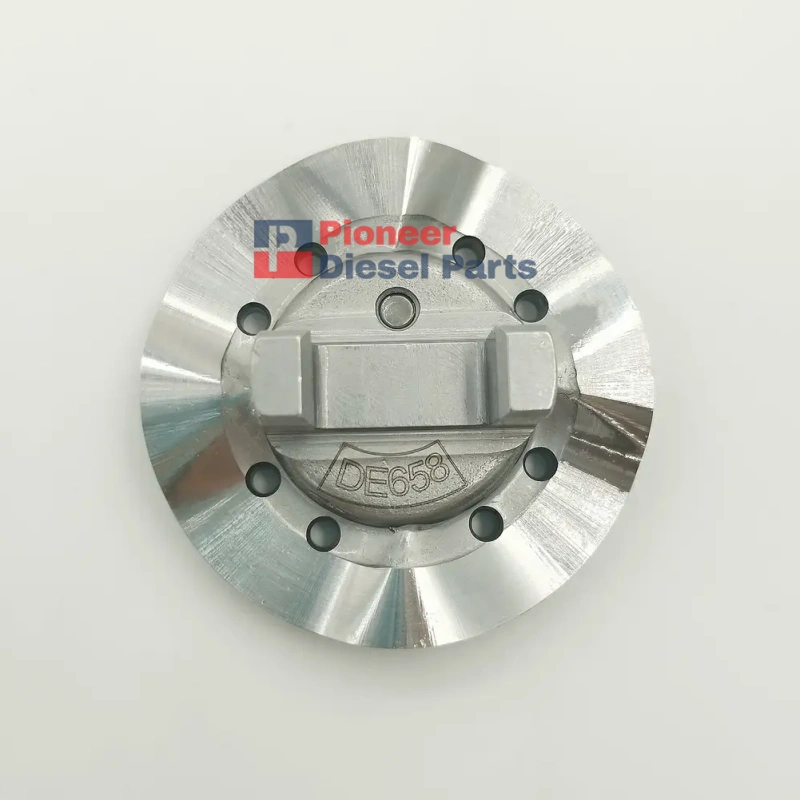
1. What Is Cam Disc 1466110658 and What Is It Used For?
Cam Disc 1466110658 is a mechanical component inside a VE rotary injection pump. The cam disc works together with the pump shaft, roller assembly, and injection plunger to generate the movement required for high-pressure fuel delivery.
In a VE pump, the cam profile determines how the roller assembly moves against the cam surface. This movement is transferred to the injection plunger, allowing the pump to generate and distribute fuel pressure during the injection process.
The part is therefore important to the operation of the injection pump rather than being a simple mounting or support component.
The 1466110658 / 1 466 110 658 identification is widely used in diesel-parts listings for this cam disc, with the marking 658 / DE658 also appearing in product references.
For Pioneer Diesel Parts customers, the most important point is to match the cam disc to the actual VE pump configuration, not only the vehicle or engine name.
2. Which Injection Pumps and Engines Use Cam Disc 1466110658?
Cam Disc 1466110658 is associated with four-cylinder Bosch VE-type rotary injection pumps and is commonly listed for applications involving Cummins 4BTAA and selected Ford diesel engines and vehicles.
Examples found in current product listings include:
- Cummins 4BTAA
- Ford F350
- Ford F4000
- Selected Ford 3.9 diesel applications
- Other applications using compatible Bosch VE pump configurations
Some listings also associate the part with Ford commercial-vehicle applications such as the C815 and C915. However, application catalogs are not completely consistent across suppliers, so these references should be treated as application clues rather than universal fitment claims.
Check the Injection Pump Before Ordering
The most reliable way to confirm compatibility is to compare:
- Original cam disc part number
- Cam disc stamping or identification
- Original injection pump number
- Engine model
- Vehicle or equipment application
- Photos of the original component when available
For example, marketplace listings associate 1466110658 with a range of Bosch pump numbers, demonstrating why checking the pump number is more reliable than relying on the engine model alone.
If you are unsure whether Cam Disc 1466110658 matches your pump, provide the original pump number and required quantity to Pioneer Diesel Parts for part-number verification.
3. How to Confirm Cam Disc 1466110658 Compatibility Before Ordering?
Correct identification is especially important for injection-pump internal parts because similar-looking cam discs can have different cam profiles or application ranges.
Before purchasing 1466110658, compare the following information:
- Part number: 1466110658 or 1 466 110 658
- Identification marking: 658 / DE658
- Injection pump number
- Engine model
- Vehicle or equipment model
- Original cam disc appearance and configuration
The part number 1466110658 is consistently identified in current product listings as the primary reference, while additional cross-reference numbers can vary between sellers.
Do not select a cam disc only because it is described as a “4-cylinder VE cam plate.” The correct cam profile and pump configuration must also match.
For a quotation or compatibility check, sending a clear photo of the original cam disc together with the pump number can help reduce the risk of ordering the wrong component.
4. What Are the Technical Specifications of Cam Disc 1466110658?
| Specification | Details |
|---|---|
| Part Name | Cam Disc / Cam Plate |
| Part Number | 1466110658 |
| Bosch Number | 1 466 110 658 |
| Marking | 658 / DE658 |
| Pump Type | Bosch VE-type rotary injection pump |
| Cylinder Configuration | 4-cylinder applications |
| Associated Applications | Cummins 4BTAA and selected Ford diesel applications |
| Product Type | New aftermarket replacement |
The part number and 658 identification are supported by multiple current product listings. Application references also consistently include Cummins 4BTAA and selected Ford applications.
Other specifications such as exact material composition, dimensions, weight, and operating limits should be confirmed against the specific product or supplier documentation rather than assumed from the part number alone.
5. How Does Cam Disc 1466110658 Work in a VE Injection Pump?
The cam disc forms part of the mechanical drive system inside the VE injection pump.
The basic movement sequence is:
Pump shaft → Cam disc → Roller assembly → Injection plunger
As the pump shaft rotates, the roller assembly follows the cam profile. The changing profile produces axial movement of the injection plunger. This allows the pump to build fuel pressure and perform the required injection sequence.
For a four-cylinder VE pump, the cam arrangement is designed to provide the repeated plunger movements required by the pump’s fuel-delivery cycle.
The cam profile therefore influences important aspects of pump operation, including:
- Plunger movement
- Fuel pressurization
- Injection timing
- Fuel delivery characteristics
- Overall injection-pump operation
A properly matched cam disc is essential because changing the cam profile changes the mechanical movement of the pump’s internal components.
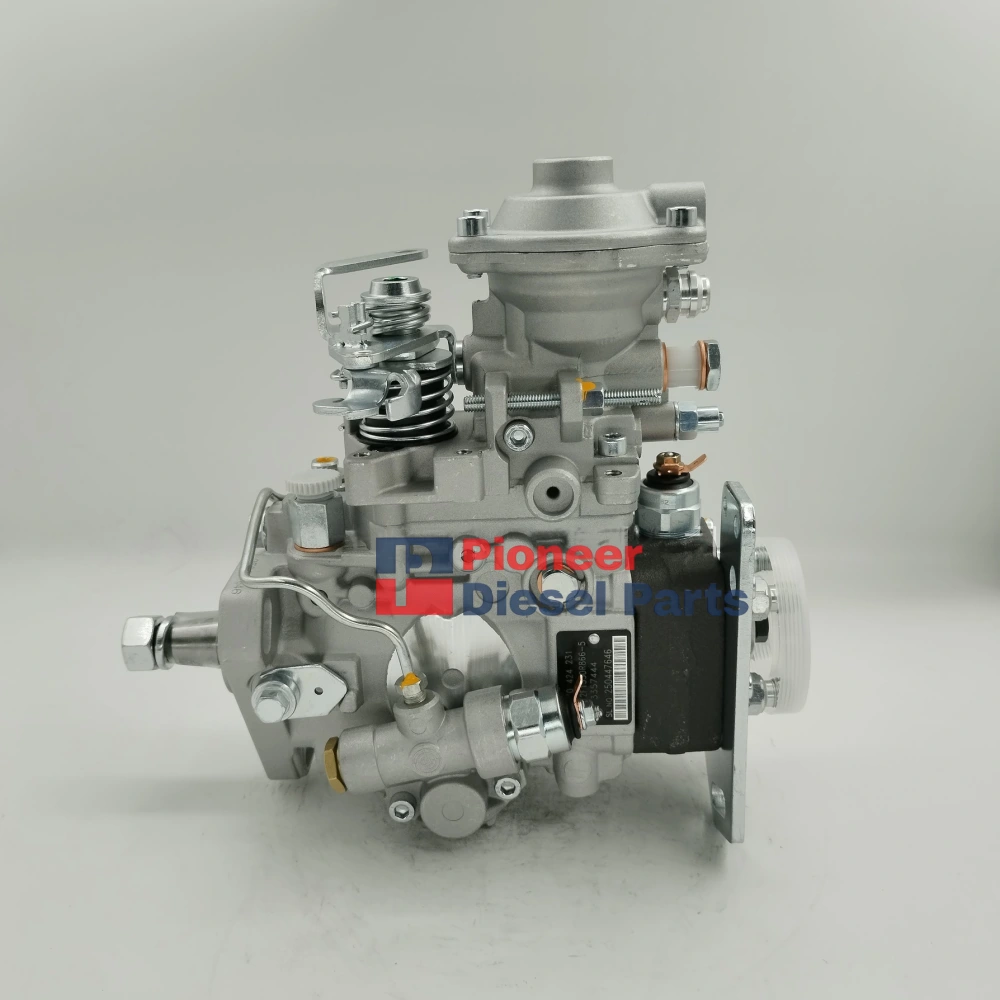
6. What Problems Can a Worn Cam Disc 1466110658 Cause?
A worn or damaged cam disc can affect the movement of the roller and injection plunger, potentially contributing to poor fuel-pump performance. However, the same engine symptoms can come from several other fuel-system or engine problems, so diagnosis should follow a logical sequence.
Start With External Causes
Before removing the injection pump or replacing the cam disc, check common external causes such as:
- Fuel filter restriction
- Contaminated or water-filled diesel fuel
- Air entering the fuel supply system
- Restricted fuel lines
- Fuel supply problems
- Incorrect injection timing or pump adjustment
- Other engine conditions that can cause poor running
If these checks do not identify the problem, the injection pump can then be inspected for internal wear.
Inspect the Injection Pump
When internal pump wear is suspected, check the cam disc together with the components that operate against it.
Possible signs of cam-disc or related internal wear include:
- Persistent power loss: The pump may not produce the expected fuel delivery when the cam and roller mechanism cannot maintain proper plunger movement.
- Unstable idle or engine surging: Irregular movement of the internal pump mechanism can contribute to inconsistent fuel delivery.
- Hard starting: Internal pump wear can reduce effective fuel pressurization, although starting problems can also originate elsewhere in the fuel system.
- Abnormal pump noise: Unusual mechanical noise may indicate abnormal contact or wear between internal components.
- Metal particles or debris: Metal contamination found during pump inspection can indicate internal component wear and should be investigated rather than ignored.
A damaged cam disc should therefore be evaluated together with the roller assembly, plunger and barrel, and other related pump components. Replacing the cam disc based on symptoms alone can result in an incorrect repair if the actual cause is elsewhere.
7. When Should Cam Disc 1466110658 Be Replaced?
Replacement should be considered when inspection shows significant damage that can affect the cam-and-roller contact surface or the movement of the injection-pump mechanism.
During pump inspection, look for:
- Scoring or abnormal surface wear
- Pitting or damaged cam surfaces
- Visible deformation
- Excessive wear on the cam profile
- Metal debris associated with internal component wear
The roller assembly should also be inspected because a damaged or excessively worn roller can affect the contact surface of a replacement cam disc.
When rebuilding the pump, inspect related components such as the roller assembly, injection plunger, barrel, and distributor head. After major internal repairs, the injection pump should be checked and calibrated using appropriate professional equipment.
Replacing only the visibly damaged cam disc without checking the components that contact it can allow the original problem to return.
8. How Can You Maintain a VE Injection Pump Using Cam Disc 1466110658?
Good fuel-system maintenance helps reduce contamination and abnormal wear, but the condition of the cam disc itself should also be checked whenever the injection pump is opened for service.
Check the Cam Disc Surface
During pump inspection, pay particular attention to the cam-contact surfaces. Look for:
- Pitting: Small cavities or surface damage can indicate progressive wear.
- Spalling or flaking: Areas where the surface has broken away require further inspection.
- Scoring: Deep or abnormal marks can indicate improper contact or wear.
- Uneven contact patterns: An unusual contact area can indicate problems with the roller assembly or other internal components.
- Excessive surface wear: Changes to the cam profile can affect the movement of the roller and plunger.
Inspect the Matching Components
The cam disc should not be inspected in isolation. Check the roller assembly and related pump components for abnormal wear or damage. If metal particles are present inside the pump, determine their source before installing replacement components.
Keep the Fuel System Clean
Routine maintenance remains important:
- Replace fuel filters at appropriate service intervals.
- Keep diesel fuel free from water and contamination.
- Investigate metal contamination rather than simply cleaning it away.
- Check abnormal pump noise or fuel-delivery problems promptly.
- Use correct pump adjustment and calibration procedures after major service.
Regular inspection of the cam disc and its mating components can help identify internal wear before it causes more extensive injection-pump damage.
9. Related Cam Disc Models and Guides
For more information on other Cam Disc models, see the related guides below for further details on cam disc identification, injection pump and engine applications, compatibility, specifications, performance, and replacement selection.
- Injection Pump Cam Disc Cam Plate 347 1466111347 6/12F for CUMMINS/MAN 6BT-5.9
- Cam Plate Cam Disc DE644 644 1466110644 for CASE New Holland 5635 6635 7635
- Cam Disc Cam Plate 1466110604 DE604 for IVECO Daily Renault B90 2.5L
- Cam Disc Plate DE643 1466110643 for FIAT DUCATO IVECO DAILY RENAULT MASTER 2.8D
Read more:
- Cam Disc 096230-0190: Toyota 11B, 14B & 14BT Injection Pump Guide
- Cam Disc 146220-0720: Zexel VE Pump Cam Plate for Isuzu 4JB1 / 4JB1-T
- Cam Plate Cam Disc 619 DE619 1466110619 for Ford Ranger Transit 2.5D F1000 F4000
- Cam Plate Cam Disc DE637 637 1466110637 for Chevy S10 Ford Ranger 2.8d
10. Frequently Asked Questions About Cam Disc 1466110658
1. What is the difference between a cam disc and a cam plate?
In diesel injection-pump parts terminology, cam disc and cam plate are often used to describe the same type of internal pump component. The exact terminology can vary between manufacturers, catalogs, and suppliers.
2. Can Cam Disc 1466110658 be used in another Bosch VE pump with the same number of cylinders?
Not automatically. Two four-cylinder VE pumps can use different internal components. The original pump number and cam-disc identification should be checked before selecting a replacement.
3. Is 1 466 110 658 the same part number as 1466110658?
Yes. 1 466 110 658 is the spaced format of the Bosch-style part number 1466110658. Listings may use either format when identifying the same cam disc.
4. What does DE658 refer to?
DE658 is another identification used in product listings for this cam disc, alongside the 658 marking. It can be useful when comparing the original component with replacement listings.
5. Can I identify the correct cam disc from a photo alone?
A photo can help compare the component’s appearance and marking, but it should not normally be the only identification method. The pump number and part-number information provide stronger confirmation.
6. Why can two cam discs that look similar have different applications?
Cam discs can differ in their cam profile and internal-pump application. Similar external appearance does not guarantee that the component will provide the required plunger movement in another pump configuration.
7. What information should I provide when asking for a Cam Disc 1466110658 quotation?
Provide the part number, original injection-pump number, engine model, cam-disc marking, and required quantity. A clear photo of the original component can also help with identification and part-number verification.
Conclusion
Cam Disc 1466110658 / 1 466 110 658 is a VE injection-pump cam plate associated with four-cylinder applications, including Cummins 4BTAA and selected Ford diesel applications. Its cam profile works with the roller assembly and injection plunger to produce the mechanical movement required for fuel pressurization and injection.
For replacement, correct application matching is more important than relying on the engine model alone. Check the original pump number, cam disc marking, and part number before ordering.
Pioneer Diesel Parts supplies new aftermarket diesel fuel-injection components and can assist with part-number verification and quotation. Send the original pump number, engine model, cam disc marking, and required quantity when requesting a match.
Disclaimer
All brand names, trademarks, OEM part numbers, engine models, equipment models, and vehicle names mentioned in this article are used for reference and compatibility identification purposes only. Unless expressly stated otherwise, Pioneer Diesel Parts supplies high-quality aftermarket replacement parts featured on this website. These products are not genuine OEM products, and the respective original equipment manufacturers do not manufacture, affiliate with, endorse, or sponsor them. All trademarks and registered trademarks are the property of their respective owners.