
Quick Answer
The DN0PDN112 is a Denso pintle-type diesel injector nozzle designed for mechanical fuel injection systems, primarily used in Mitsubishi 4D56 and Hyundai/Kia D4BF/D4BH diesel engines. These 2.5L–2.7L engine applications include the Mitsubishi L200, L300, Pajero, Hyundai H100/H1, and Kia Bongo/Besta.
Its main cross-reference numbers include 093400-6760, 105007-1120, MD620189, and ME723105. The nozzle controls fuel atomization and delivery, directly affecting combustion quality, engine performance, and exhaust emissions.
Common signs of wear include rough idle, black smoke, hard starting when warm, increased fuel consumption, and abnormal combustion noise. Replacing a worn nozzle and properly calibrating the injector can help restore stable fuel injection performance.
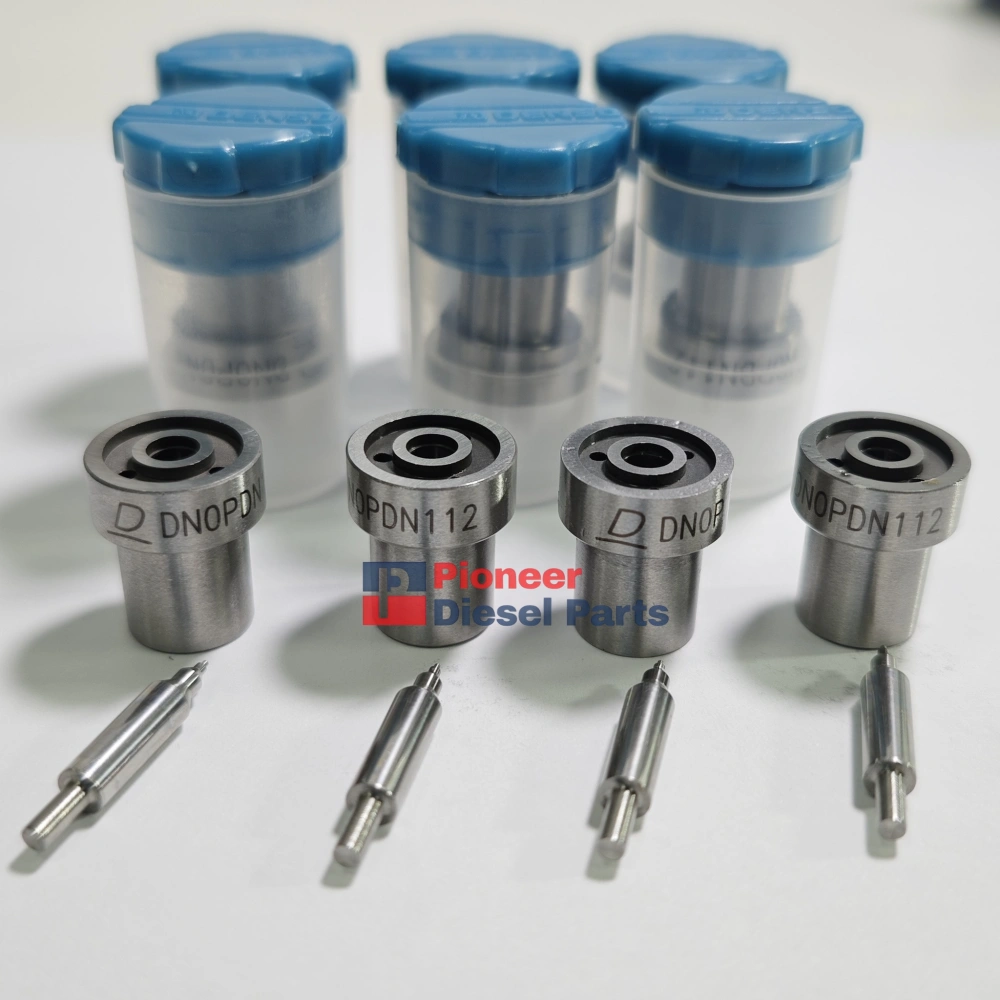
What Is the DN0PDN112 Diesel Injector Nozzle and How Does It Work?
The DN0PDN112 is a pintle-type (throttle-type) diesel injector nozzle designed for indirect injection diesel engines. Unlike common rail nozzles that use multiple spray holes, it features a central pintle that lifts to create an annular spray pattern.
This design is commonly used in older swirl-chamber and pre-chamber diesel engines, where combustion chamber geometry and intake air movement help distribute injected fuel.
Installed at the tip of the injector holder assembly, the nozzle performs three essential functions:
- Fuel sealing: Prevents fuel leakage between injection events.
- Fuel metering: Controls fuel delivery through the pintle and nozzle seat.
- Fuel atomization: Distributes diesel fuel into a suitable spray pattern for combustion.
When the pintle or nozzle seat becomes worn, fuel may drip or spray unevenly. This can result in incomplete combustion, rough engine operation, excessive exhaust smoke, and reduced fuel efficiency.
For Mitsubishi 4D56 and related Hyundai/Kia engines, the DN0PDN112 operates within a mechanically controlled fuel injection system. Its condition therefore plays an important role in maintaining consistent combustion and cylinder performance.
What Are the Technical Specifications of the DN0PDN112?
The following table summarizes the main identification and application details of the DN0PDN112 diesel injector nozzle.
| Parameter | Specification |
|---|---|
| Nozzle Type | Pintle / Throttle Type (DN-PDN Series) |
| Manufacturer | Denso |
| OEM Stamp Number | DN0PDN112 |
| Denso Nozzle Number | 093400-6760 |
| Bosch Cross-Reference | 105007-1120 / H105007112 |
| Common Aftermarket References | NP-DN0PDN112, BDN0PDN112 |
| Typical Application | Indirect Injection Diesel Engines |
| Engine Displacement | 2.5L–2.7L |
| Engine Families | Mitsubishi 4D56, 4D56-T; Hyundai D4BF, D4BH; Kia J2, JTA |
| Packaging (Aftermarket) | Commonly Available in Sets of 4 or 8 |
Note: Cross-reference information is based on parts catalog and aftermarket listing data. Confirm the nozzle identification and injector assembly number before ordering.
The DN0PDN112 works with its corresponding injector holder. When replacing the nozzle tip, the complete injector assembly should be tested and calibrated on a suitable diesel injector test bench to ensure correct operation.
Which Injector Assemblies Are Compatible with the DN0PDN112?
The DN0PDN112 is used in various mechanical injector holder assemblies for Mitsubishi, Hyundai, Kia, and other diesel engine applications.
Common compatible nozzle-and-holder assembly references include:
- 105148-1550
- 105148-1551
- 105148-1110
- 105148-1112
- 105148-1280
- 105148-1282
- 105148-1321
- 105148-1580
- MD103301
- MD103301CKD
- ME200527
- MD338904D
- 62153000340A
- 62153000340B
These references appear in aftermarket fitment data for the DN0PDN112 nozzle.
In diesel repair workshops, replacing only the nozzle tip is a cost-effective option when the injector holder remains in good condition. The holder should be inspected for wear, damaged sealing surfaces, and internal component problems before reassembly.
If the holder body, spring, or other internal components are damaged, replacing the complete injector assembly may be more appropriate.
Which Vehicles and Engines Use the DN0PDN112 Nozzle?
The DN0PDN112 is commonly associated with Japanese and Korean light commercial diesel engines. Its main applications include Mitsubishi 4D56 engines and Hyundai/Kia diesel engine families.
Mitsubishi Applications
| Vehicle Model | Engine | Typical Years | Application |
|---|---|---|---|
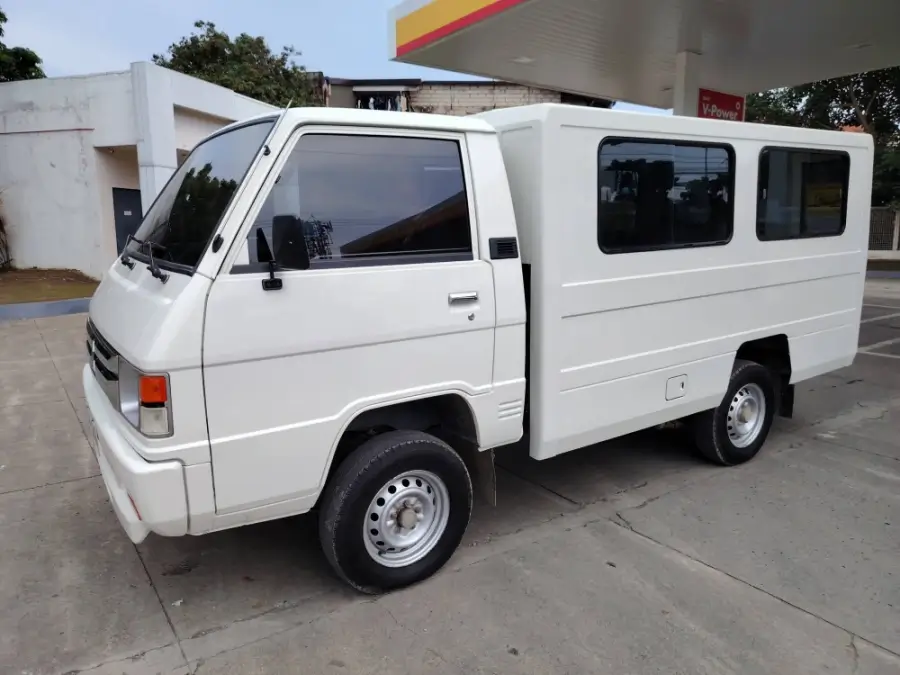
| L200 / Triton | 4D56 2.5L 8V | 1986–1996 and later markets | Pickup truck |
| L300 / Delica | 4D56 2.5L 8V | 1986–2004 | Van and commercial vehicle |
| Pajero / Montero | 4D56 2.5L TD/TDi | 1986–2004 | SUV and off-road vehicle |
| Canter FE3/FE4 | 4D56 2.5L | 1992–1996 | Light-duty truck |
Hyundai / Kia Applications
| Vehicle Model | Engine | Typical Years | Application |
|---|---|---|---|
| Hyundai Grace | D4BF 2.5L TD | 1998–2001 | Bus / Van |
| Hyundai H-1 / Starex | D4BF / D4BH 2.5L | 1997–2007 | Passenger and commercial van |
| Hyundai H100 | D4BF / D4BH | 1990s–2000s | Light commercial truck |
| Kia Besta | J2 2.7L / JTA 3.0L | 1993–2003 | Commercial van |
| Kia Bongo | D4BH 2.5L TDCi | 2003+ | Light commercial truck |
Isuzu Industrial Engine Applications
Some European parts references also list the DN0PDN112 for Isuzu 3LC1, 3LB1, 4LB1, 4LC1, and 4LE1 industrial engines.
These applications are associated with Japanese industrial diesel platforms. The exact fitment should be confirmed using the engine code and complete injector holder number before purchasing.
What Are the Common Symptoms of a Worn DN0PDN112 Nozzle?
A worn pintle nozzle can gradually affect combustion quality and engine performance. Unlike electronically controlled common rail injectors, mechanical injectors may develop performance problems without generating an electronic diagnostic fault code.
The most common symptoms include the following.
1. Rough Idle and Engine Vibration
A worn pintle or damaged nozzle seat may cause fuel leakage or uneven atomization. At idle, small differences in fuel delivery can affect cylinder balance.
Typical symptoms include:
- Unstable or hunting idle.
- Noticeable engine vibration.
- Uneven engine operation.
- Reduced smoothness at low speeds.
A cylinder contribution test and injector bench test can help identify the affected injector.
2. Black Smoke Under Acceleration
Black exhaust smoke often indicates incomplete combustion caused by an unsuitable air-fuel mixture.
When the nozzle spray pattern deteriorates, fuel may enter the combustion chamber as larger droplets or an uneven spray. This reduces combustion efficiency and increases soot formation.
The problem may become more noticeable when accelerating, climbing hills, or operating under heavy loads.
3. Hard Starting When Warm
A worn nozzle may fail to deliver fuel with the required spray characteristics, making combustion less consistent.
Common starting problems include extended cranking, delayed engine response, and unstable operation immediately after starting.
The fuel injection pump, compression condition, and other fuel system components should also be checked.
4. Increased Fuel Consumption
Poor fuel atomization can reduce combustion efficiency, causing the engine to consume more diesel to maintain the same operating performance.
Owners of Mitsubishi L200, L300, and Hyundai H100 vehicles may notice increased fuel consumption as nozzle condition deteriorates. An increase of 10–20% may occur in some cases, although the actual change depends on engine condition, driving habits, and fuel system performance.
5. Abnormal Combustion Knocking
A worn or poorly functioning nozzle can affect fuel delivery and combustion characteristics, producing a sharp metallic knocking sound.
This may be more noticeable during cold operation or acceleration.
If these symptoms appear, the injectors should be removed and tested. A nozzle that drips, produces an irregular spray pattern, or fails to operate correctly should be inspected for replacement.
How Should a Faulty DN0PDN112 Nozzle Be Diagnosed and Replaced?
Correct diagnosis is important because similar engine symptoms can also result from fuel pump problems, compression loss, air intake restrictions, or other fuel system faults.
The following procedures help ensure a reliable repair.
1. Inspect the Injector Assembly
Remove the injector according to the engine manufacturer’s service procedure. Inspect the nozzle tip, injector holder, and sealing surfaces for visible damage, carbon deposits, or abnormal wear.
2. Test the Injector on a Diesel Test Bench
A suitable injector test bench can identify fuel leakage, dripping, irregular spray patterns, poor atomization, and inconsistent injector operation.
Testing the complete assembly helps determine whether replacing the nozzle alone is sufficient.
3. Clean the Injector Installation Area
Carbon deposits around the injector bore and seating surface should be removed carefully using appropriate cleaning tools.
A clean installation surface helps ensure proper injector seating and prevents combustion gas leakage.
4. Replace the Copper Sealing Washer
Use a new sealing washer where specified by the engine design. Reusing a damaged or compressed washer can lead to poor sealing and combustion leakage.
5. Calibrate and Verify Injector Performance
After installing the replacement DN0PDN112 nozzle, test and calibrate the complete injector assembly according to the applicable engine and injector specifications.
Check the spray pattern, sealing performance, and overall injector operation before installation.
6. Follow the Manufacturer’s Installation Procedure
Install the injector using the correct procedure and tightening specifications for the specific engine model.
After installation, start the engine and check for fuel leakage, abnormal noise, unstable idle, and exhaust smoke.
How Can You Choose a Quality DN0PDN112 Replacement Nozzle?
The aftermarket market offers different quality levels of DN0PDN112 replacement nozzles. Selecting a suitable product is important for maintaining fuel injection performance and reducing repeat repairs.
Consider these factors when purchasing replacement nozzles.
1. Check the Part Number and Markings
Confirm that the nozzle identification matches DN0PDN112 or the corresponding verified cross-reference number.
Clear and consistent product markings make identification easier and help reduce ordering errors.
2. Inspect the Pintle and Nozzle Seat
The pintle tip should have a smooth finish without visible scoring, pitting, or damage.
The nozzle seat should also be free from defects that could affect fuel sealing and spray performance.
3. Check Product Quality and Traceability
Choose suppliers that can provide consistent product quality and clear identification information.
For distributors and repair workshops, stable quality between batches is important for repeat purchasing and reliable repairs.
4. Verify Injector Calibration
When purchasing replacement nozzles, confirm that the products can be properly tested and calibrated after installation.
For workshops handling multiple engines, maintaining consistent injector performance is essential.
Should You Replace Only the Nozzle or the Complete Injector?
Replacing only the nozzle tip can be an economical option when the injector holder and internal components remain in good condition.
However, if the holder body, spring, or other internal components show excessive wear or damage, replacing the complete injector assembly may provide a more reliable repair.
The decision should be based on injector bench test results and the actual condition of the assembly.
How Does Fuel Quality Affect Nozzle Service Life?
Fuel cleanliness is an important factor affecting diesel injector nozzle durability.
Water contamination, dirt, and abrasive particles can damage the pintle and nozzle seat, resulting in poor sealing, uneven spray patterns, and premature wear.
Regular fuel filter replacement and proper fuel system maintenance are particularly important for vehicles operating in dusty environments or regions with inconsistent diesel quality.
More DN-PDN Type Injector Nozzle Guide
- Diesel Injector Nozzle DN0PD95 for Kubota V1903 V2003
- Diesel Injector Nozzle DN0PDN108 for Isuzu 4FC1 4FG1 4EE1
- Diesel Injector Nozzle DN10PD76 for Toyota Hiace LH100
- Diesel Injector Nozzle DN10PDN129 for Mitsubishi 4M40
Read more:
- Diesel Injector Nozzle DN0PDN133
- Diesel Injector Nozzle DN0PD650
- Diesel Injector Nozzle DN15PD48 for Mitsubishi Lance Mirage 4D65
- Diesel Injector Nozzle DN4PD82 for Kubota OC60-D OC95-G
Frequently Asked Questions About the DN0PDN112 Diesel Injector Nozzle
Q1: What Engines Use the DN0PDN112 Injector Nozzle?
The DN0PDN112 is primarily used in Mitsubishi 4D56 and Hyundai/Kia D4BF and D4BH diesel engines. It is also listed for Kia J2 and JTA applications and certain Isuzu industrial engines, including 3LC1, 3LB1, 4LB1, 4LC1, and 4LE1. Always check the injector holder number to confirm compatibility.
Q2: What Is the Difference Between DN0PDN112 and DN0PDN113?
DN0PDN112 and DN0PDN113 are different Denso pintle-type diesel injector nozzle models. They may have different pintle geometries and application characteristics, so they should not be treated as interchangeable. Check the complete injector assembly number and engine application before selecting a replacement.
Q3: Can a DN0PDN112 Injector Nozzle Be Cleaned and Reused?
Yes, a DN0PDN112 nozzle may be professionally cleaned if deposits are the main problem and the pintle and nozzle seat are still in good condition. Ultrasonic cleaning and back-flushing may help remove deposits. However, a nozzle with scoring, seat erosion, or persistent dripping should be replaced.
Q4: How Long Does a DN0PDN112 Diesel Injector Nozzle Last?
A DN0PDN112 nozzle may operate for approximately 200,000–300,000 km under favorable fuel quality and maintenance conditions. Actual service life varies with fuel cleanliness, operating conditions, and filter replacement practices. Injector testing is the most reliable way to determine whether replacement is necessary.
Q5: Why Does a Mitsubishi 4D56 Engine Produce Black Smoke After Nozzle Replacement?
A Mitsubishi 4D56 engine can continue producing black smoke after nozzle replacement if another fuel or air system problem remains. Common causes include incorrect injection pump timing, a worn injection pump, turbocharger boost leaks, restricted air intake, and low compression. Check the complete fuel and air systems before replacing additional components.
Q6: Should All Four DN0PDN112 Nozzles Be Replaced at the Same Time?
Replacing all four nozzles as a matched set is recommended when they show similar wear or inconsistent performance. However, replacing only the faulty nozzle may be acceptable if the other three injectors pass testing and operate within specification. The decision should depend on injector test results and the condition of the complete set.
Q7: Which Part Numbers Are Equivalent to DN0PDN112?
The main identification and cross-reference numbers associated with DN0PDN112 include 093400-6760, 105007-1120, H105007112, MD620189, and ME723105. Common aftermarket references include NP-DN0PDN112 and BDN0PDN112. Before ordering, also confirm the injector holder assembly number and engine model to avoid incorrect fitment.
DN0PDN112 Replacement Nozzles for Diesel Repair and Distribution
The DN0PDN112 diesel injector nozzle is an important replacement component for Mitsubishi 4D56 and Hyundai/Kia D4BF/D4BH mechanical diesel injection systems.
For diesel repair workshops, parts distributors, and wholesalers, selecting the correct replacement nozzle helps maintain fuel atomization, engine performance, and reliable operation.
Pioneer Diesel Parts supplies new aftermarket diesel fuel injection components for different engine applications, supporting wholesale orders and small trial orders. We focus on consistent product quality, competitive pricing, and part number verification.
Contact us with your nozzle part number, injector assembly number, or engine model to check availability and request a quotation.