
The 090150-5971 pump plunger is a precision-machined critical component used in Denso mechanical diesel injection pump systems, responsible for pressurizing and delivering fuel at the required pressure for efficient combustion. It is primarily used in Hino J05, J07, and J08 series engines, as well as Mitsubishi 4D34 and some Hyundai D4 diesel applications. Common applications include Hino trucks, buses, construction equipment, and commercial diesel vehicles.
When this plunger wears out, common symptoms may include hard starting, loss of engine power, rough idle, excessive black smoke, increased fuel consumption, engine misfire, white smoke on startup, and fuel dilution of engine oil.
Bottom line: Regular inspection and timely replacement of a worn 090150-5971 plunger is the most cost-effective way to restore injection pump performance and avoid expensive fuel system repairs.
1. What Is the 090150-5971 Pump Plunger?
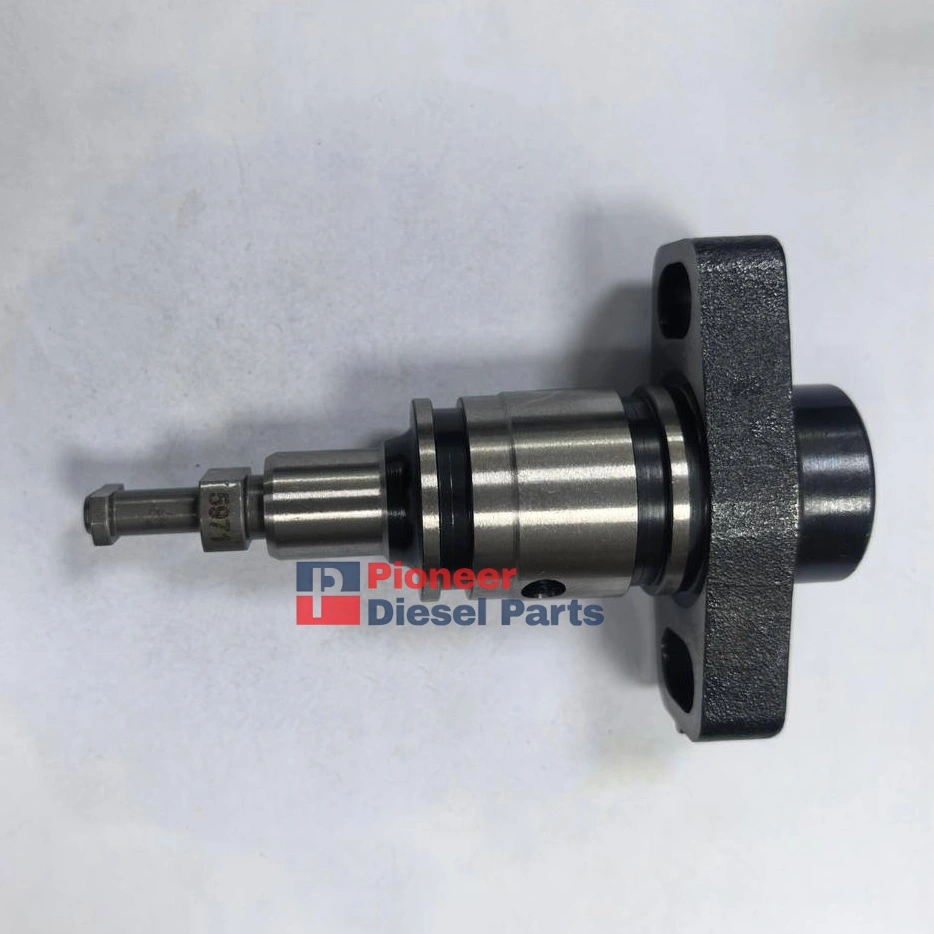
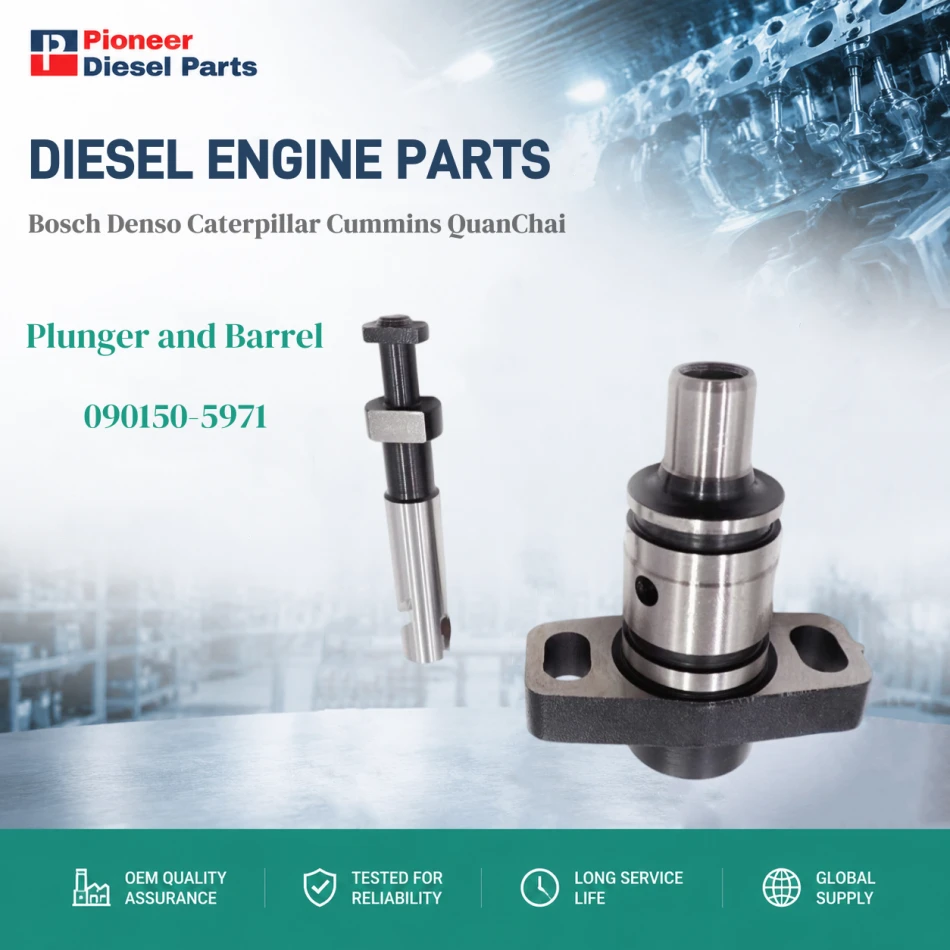
The 090150-5971 pump plunger is a precision fuel injection pump element consisting of a plunger and barrel assembly. It is installed inside mechanical diesel injection pumps and is responsible for pressurizing fuel before it is delivered to the injector.
During engine operation, the plunger moves inside the barrel with extremely small clearance. This movement controls:
- Fuel pressurization
- Injection timing
- Fuel delivery quantity
- Combustion efficiency
Because diesel injection pumps operate under high pressure and continuous mechanical movement, the plunger surface must maintain excellent wear resistance and dimensional accuracy.
When the clearance between the plunger and barrel increases due to wear, internal fuel leakage occurs. This reduces injection pressure and may cause poor combustion, smoke emissions, and loss of engine power.
The 090150-5971 plunger is widely selected as a replacement component for rebuilding diesel injection pumps used in Hino and other commercial diesel engine applications.
2. What Are the Technical Specifications of the 090150-5971 Plunger?
- OEM Part Number: 090150-5971
- Stamp Code: 5971
- Alternate Reference: U988-A
- Component Type: PN-Type Plunger Element / Injection Pump Plunger
- Material: High-Speed Steel (HSS)
- Application Type: Mechanical Diesel Fuel Injection Pump
- Application: Mechanical diesel injection pump systems
- Compatibility: Hino / Mitsubishi / Hyundai diesel applications
- Quality Control: Precision machining, dimensional inspection, and compatibility testing
- Warranty: 6 months
The 090150-5971 plunger element is manufactured from high-quality high-speed steel (HSS), providing excellent wear resistance and stable performance under continuous diesel injection pump operation.
The component features a precision-ground cylindrical surface designed to maintain accurate fuel control inside the injection pump. Proper machining accuracy is essential because even small dimensional changes can affect injection pressure and fuel delivery.
3. Which Engines and Applications Are Compatible with the 090150-5971 Plunger?
The 090150-5971 pump plunger is used in a variety of commercial diesel engines, especially medium-duty truck and industrial engine applications.
Primary Engine Applications
| Manufacturer | Engine Series |
|---|---|
| Hino | S05, J05, J07, J08 |
| Mitsubishi | 4D34 |
| Hyundai | D4 series diesel engines |
Primary Vehicle & Equipment Applications
| Application | Model / Series |
|---|---|
| Hino Trucks | Various models equipped with J05 / J07 / J08 engines |
| Hino Buses | Commercial passenger buses using compatible diesel engines |
| Construction Equipment | Excavators, loaders, and industrial machinery using Hino or Mitsubishi diesel engines |
| Commercial Vehicles | Medium-duty trucks and transport vehicles |
| Industrial Machinery | Diesel-powered equipment requiring mechanical fuel injection systems |
Why Is the Hino J08C Engine a Key Application for This Plunger?
The Hino J08C diesel engine is one of the most common applications associated with the 090150-5971 plunger.
The J08C is an 8.0-liter inline six-cylinder diesel engine widely used in:
- Hino medium-duty trucks
- Heavy-duty commercial vehicles
- Buses
- Construction equipment
- Industrial machinery
Known for its durability, high torque output, and long service life, the J08C engine relies on accurate fuel injection control to maintain combustion efficiency.
The injection pump plunger plays an important role in:
- Maintaining stable fuel pressure
- Ensuring correct fuel delivery
- Supporting smooth engine operation
- Reducing smoke emissions
In some Hino applications, the 090150-5971 plunger is also referenced with the OEM number 293000-0520.
4. What Are the Common Failure Symptoms of a Worn 090150-5971 Plunger?
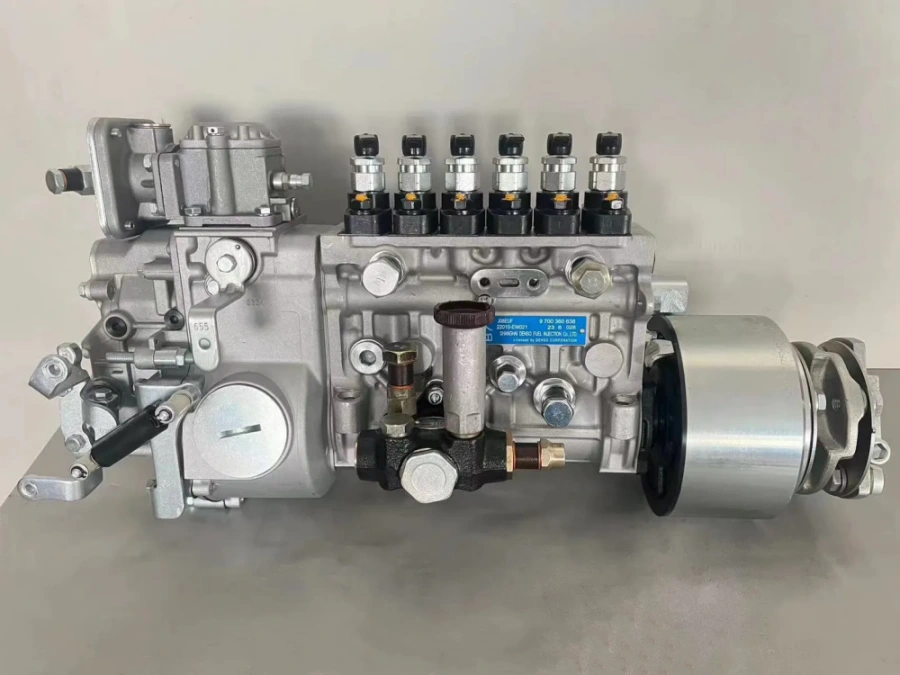
A worn pump plunger can reduce injection pump efficiency and cause noticeable engine performance problems.
The following symptoms are commonly associated with excessive plunger wear:
Why Does a Worn Plunger Cause Hard Starting?
A worn plunger and barrel assembly may not generate sufficient fuel pressure during engine cranking.
Common signs include:
- Longer cranking time
- Difficulty starting when cold
- Reduced starting reliability
Insufficient injection pressure prevents proper fuel atomization, making combustion harder to achieve.
Why Does a Worn Plunger Lead to Loss of Engine Power?
When internal leakage increases because of plunger wear, the injection pump cannot deliver the required fuel pressure.
Possible results:
- Weak acceleration
- Poor performance under load
- Reduced pulling power
- Slow response during operation
This issue is especially noticeable in trucks and construction equipment operating under heavy loads.
Why Does a Worn Plunger Cause Rough Idling?
Excessive clearance between the plunger and barrel affects fuel delivery stability.
Symptoms may include:
- Unstable idle speed
- Engine vibration
- Uneven combustion
- Irregular fuel injection
Why Does a Worn Plunger Produce Excessive Black Smoke?
Poor fuel atomization caused by insufficient injection pressure can lead to incomplete combustion.
Typical causes include:
- Reduced plunger efficiency
- Incorrect fuel delivery
- Poor combustion quality
The result is visible black exhaust smoke and increased emissions.
Why Does a Worn Plunger Increase Fuel Consumption?
A worn plunger may reduce injection accuracy, causing the engine to consume more fuel to produce the same output.
Possible effects:
- Lower fuel economy
- Increased operating cost
- Reduced overall efficiency
Why Does a Worn Plunger Cause Engine Misfire?
Uneven fuel delivery between cylinders can create combustion imbalance.
Symptoms may include:
- Intermittent misfire
- Engine hesitation
- Reduced smoothness
Why Does a Worn Plunger Produce White Smoke During Startup?
Delayed or incomplete combustion may allow unburned fuel to leave through the exhaust system.
White smoke is often more noticeable during:
- Cold starts
- Low-temperature operation
- Poor injection conditions
How Does a Worn Plunger Cause Fuel Dilution of Engine Oil?
Severe internal leakage inside the injection pump can allow fuel to enter areas where it contaminates engine oil.
Possible consequences:
- Reduced lubrication performance
- Increased engine wear
- Oil quality deterioration
5. How to Diagnose and Troubleshoot a Failing 090150-5971 Pump Plunger?
When a diesel engine shows symptoms such as hard starting, power loss, smoke, or unstable operation, the condition of the 090150-5971 pump plunger element should be checked as part of the fuel injection system diagnosis.
Proper testing helps determine whether the problem comes from plunger wear, fuel contamination, injection timing, or other fuel system components.
How to Perform a Visual Inspection?
Remove the injection pump according to the manufacturer’s service procedure and inspect the plunger assembly.
Check for:
- Surface scoring or scratches
- Abnormal wear marks
- Corrosion or pitting
- Discoloration caused by overheating
- Damage on the plunger barrel surface
A healthy plunger should have a smooth precision-machined surface. Any visible damage may affect fuel sealing and injection performance.
How to Conduct an Injection Pump Bench Test?
A professional injection pump test bench should be used to evaluate pump performance.
The test should measure:
- Fuel delivery quantity
- Injection pressure performance
- Delivery consistency between cylinders
- Internal leakage condition
A significant reduction in fuel delivery or unstable pressure output may indicate excessive wear of the plunger and barrel assembly.
How to Perform a Leakage Test?
Internal leakage is one of the main indicators of plunger wear.
Inspection should include:
- Fuel leakage rate measurement
- Delivery valve performance check
- Pump internal sealing condition
Excessive leakage reduces injection efficiency and prevents the pump from maintaining stable fuel pressure.
How to Run a Cylinder Contribution Test?
A cylinder contribution or cut-out test can help identify uneven fuel delivery.
This test helps determine:
- Which cylinder has reduced combustion performance
- Whether fuel delivery is balanced
- Whether the injection pump requires repair
How to Inspect Fuel Quality?
Fuel contamination is one of the most common causes of premature plunger wear.
Check for:
- Water contamination
- Dust or abrasive particles
- Poor-quality diesel fuel
- Improper fuel storage conditions
Clean fuel is essential because the plunger and barrel operate with extremely small clearance.
6. What Are the Best Maintenance Practices for the 090150-5971 Plunger?
Proper maintenance of the fuel injection system can significantly extend the service life of the 090150-5971 plunger element.
Preventive Maintenance Schedule
| Maintenance Interval | Recommended Action |
|---|---|
| Every 500 operating hours | Inspect fuel filters and replace if contaminated |
| Every 1,000 operating hours | Check injection timing and fuel system condition |
| Every 2,000 operating hours | Perform injection pump performance inspection |
| Every 2,000–3,000 operating hours | Inspect plunger and barrel condition |
| When wear exceeds specification | Replace plunger element and recalibrate injection pump |
Best Practices for Extending Plunger Life
Why Is Using High-Quality Diesel Fuel Important?
Fuel quality directly affects injection pump durability.
Contaminated fuel containing water, dust, or metal particles can accelerate wear between the plunger and barrel.
Always use diesel fuel that meets the engine manufacturer’s requirements.
Why Should You Replace Fuel Filters Regularly?
Fuel filters protect precision injection components from contaminants.
Regular filter replacement helps prevent:
- Abrasive particle damage
- Internal pump wear
- Reduced injection efficiency
Why Should You Avoid Running the Fuel System Dry?
Operating without sufficient fuel can reduce lubrication inside the injection pump.
This may cause:
- Increased friction
- Surface damage
- Premature plunger wear
Why Is It Important to Properly Bleed the Fuel System?
After replacing fuel filters or performing fuel system repairs, remove trapped air before starting the engine.
Air inside the system can cause:
- Hard starting
- Unstable fuel delivery
- Poor injection performance
Why Should You Use Reliable Replacement Parts?
When replacing a worn 090150-5971 plunger, choose components with:
- Accurate dimensions
- Proper surface finishing
- Consistent machining quality
- Professional inspection procedures
A precision-made replacement plunger helps restore injection pump performance and reliability.
Why Is Maintaining Correct Injection Timing Critical?
Incorrect injection timing increases stress on the fuel system and may lead to:
- Poor combustion
- Increased smoke
- Higher fuel consumption
- Additional pump wear
Always adjust timing according to engine specifications.
7. How to Replace the 090150-5971 Pump Plunger?
Replacing a pump plunger requires professional knowledge because the injection pump must be accurately assembled and calibrated after repair.
What Tools Are Required for Replacement?
Recommended tools include:
- Injection pump timing tools
- Torque wrench
- Plunger and barrel removal tools
- Clean assembly workspace
- Professional cleaning equipment
What Are the Basic Replacement Steps?
Step 1: Remove the Injection Pump
Remove the fuel injection pump from the engine following the correct service procedure.
Before removal:
- Mark pump timing position
- Disconnect fuel lines carefully
- Keep components clean
Step 2: Disassemble the Pump
Open the injection pump according to the manufacturer’s repair manual.
Avoid mixing internal components because precision parts are matched during manufacturing.
Step 3: Remove the Old Plunger Assembly
Remove the worn plunger and barrel assembly.
Inspect:
- Pump housing condition
- Cam components
- Delivery valve
- Springs and seals
Step 4: Clean All Components
Thoroughly clean all reusable components before installation.
Remove:
- Fuel deposits
- Metal particles
- Dirt contamination
Step 5: Install the New 090150-5971 Plunger
Install the replacement plunger and barrel assembly carefully.
Important:
- Avoid touching precision surfaces with dirty hands
- Ensure correct installation direction
- Use clean diesel fuel for lubrication during assembly
Step 6: Reassemble and Bench Test
After assembly:
- Replace necessary seals and gaskets
- Test fuel delivery
- Verify injection performance
- Confirm calibration settings
Step 7: Reinstall and Set Injection Timing
Install the repaired injection pump back onto the engine.
Complete:
- Timing adjustment
- Fuel system bleeding
- Engine test operation
Note: Injection pump rebuilding requires specialized equipment and technical experience. If you do not have professional diesel repair experience, the work should be completed by a qualified injection pump technician.
8. How to Choose a Replacement 090150-5971 Pump Plunger?
Selecting the correct replacement plunger is important for restoring injection pump performance.
Before purchasing, confirm the following:
How to Verify the OEM Number?
Always confirm:
- 090150-5971
- Stamp code: 5971
- Reference number: U988-A
Incorrect part numbers may look similar but have different dimensions or fuel delivery characteristics.
How to Confirm Pump Compatibility?
Check:
- Injection pump model
- Engine model
- Vehicle application
- Calibration requirements
A plunger designed for one pump family may not work correctly in another system.
How to Check Manufacturing Quality?
A reliable replacement plunger should have:
- Precision-machined surface
- Accurate dimensional tolerance
- Smooth finishing
- Consistent quality inspection
Poor-quality plungers may cause early wear, fuel leakage, and unstable injection performance.
Why Should You Replace With Complete Inspection?
When replacing the plunger, it is recommended to inspect related components:
- Plunger barrel
- Delivery valve
- Pump seals
- Cam mechanism
Replacing only one worn component without checking the complete pump condition may reduce repair effectiveness.
9. What Are the Related Models in This Pump Plunger Series?
Other Related Models
| OEM Number | Stamp | Application |
|---|---|---|
| 090150-2700 | 2700 | Hino diesel engine applications, including commercial vehicle and industrial fuel injection pump systems |
| 090150-5683 | 5683 | Mitsubishi 4D31 / 4D33 / 4D34 series engines, Hino W04C applications, and related mechanical injection pump systems |
| 090150-5673 | 5673 | Hino J08C engine variant applications and related diesel injection pump systems |
| 090150-6490 | 6490 | Mitsubishi 4D34T / 4M50T engines, Hyundai D4DA / D4D4 diesel applications, including commercial vehicles such as Mitsubishi Fuso models |
Articles related to this series
- Bosch 131153-6120 A740 Pump Plunger – Specs, Applications & Replacement Guide
- 140153-9020 K199 Injection Pump Plunger – Kubota Engine Compatibility & Repair Guide
- Pump Element Plunger and Barrel 3253 090150-3253 for KOMATSU 6D125
- Plunger and Barrel 6470 090150-6470 for Hino Toyota Dyna J05C J07C J08C
10. Frequently Asked Questions About the 090150-5971 Plunger
Q1: What is the OEM number for the 5971 plunger?
A: The OEM number is 090150-5971. It is also commonly identified by the stamp code 5971 and alternate reference number U988-A.
Q2: Which engines use the 090150-5971 plunger?
A: The 090150-5971 plunger is mainly used in Hino S05, J05, J07, J08 series engines, as well as Mitsubishi 4D34 and some Hyundai D4 diesel engine applications.
Q3: What vehicles use the 090150-5971 plunger?
A: Common applications include Hino trucks, Hino buses, construction equipment, and commercial diesel vehicles equipped with compatible mechanical injection systems. It is also commonly associated with the Hino J08C engine platform.
Q4: What material is the 090150-5971 plunger made from?
A: The plunger is manufactured from High-Speed Steel (HSS), providing excellent wear resistance and dimensional stability for diesel injection pump operation.
Q5: What is the precision tolerance of this plunger?
A: The 090150-5971 plunger is manufactured with high precision machining. The dimensional tolerance is approximately ±0.01 mm, depending on production specifications and application requirements.
Q6: How often should the 090150-5971 plunger be replaced?
A: Replacement depends on operating conditions, fuel quality, and maintenance practices. The plunger should generally be inspected every 2,000–3,000 operating hours and replaced when wear exceeds acceptable limits.
Q7: What are the symptoms of a failing plunger?
A: Common symptoms of a worn or failing pump plunger include hard starting, reduced engine power, rough idling, excessive black smoke, increased fuel consumption, engine misfire, white smoke during startup, and fuel contamination of engine oil. These issues occur because plunger wear can reduce fuel pressure, affect injection accuracy, and cause incomplete combustion, resulting in poor engine performance and reduced fuel system efficiency.
Conclusion
The 090150-5971 pump plunger is a precision-machined critical component in Denso mechanical fuel injection systems. Regular inspection and timely replacement at the first sign of wear—hard starting, power loss, rough idle, or excessive smoke—can restore engine performance, improve fuel economy, and prevent costly fuel system repairs. Always verify the OEM number (090150-5971), stamp code (5971), and reference (U988-A) when purchasing replacements, and entrust installation to a qualified injection pump technician with proper calibration equipment.
Disclaimer
All brand names, trademarks, OEM part numbers, engine models, equipment models, and vehicle names mentioned in this article are used for reference and compatibility identification purposes only. Unless expressly stated otherwise, all products featured are high-quality aftermarket replacement parts and are not genuine OEM products, nor are they manufactured, affiliated with, endorsed, or sponsored by the respective original equipment manufacturers. All trademarks and registered trademarks are the property of their respective owners.