
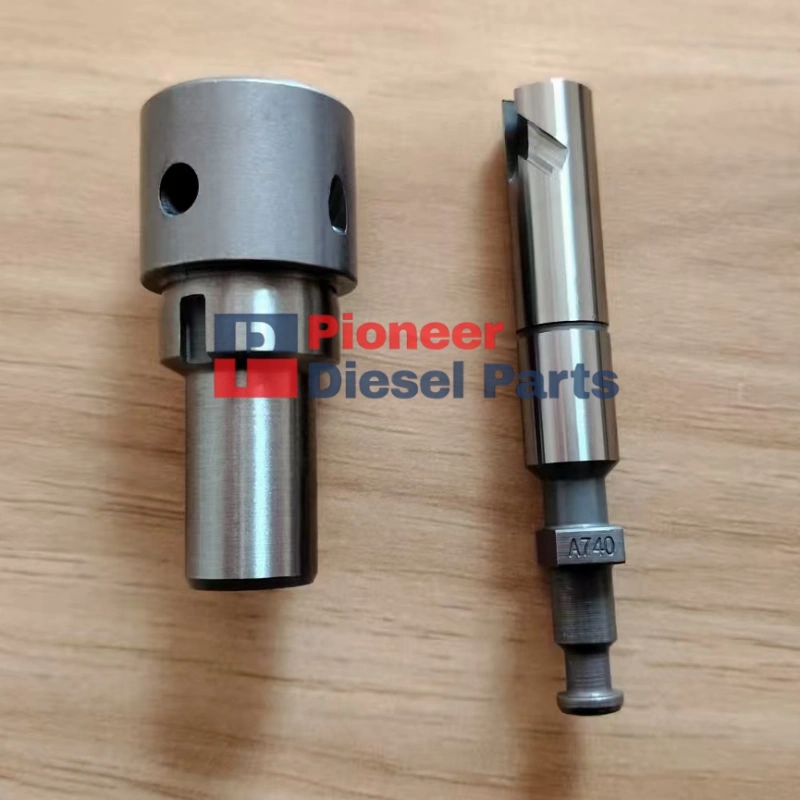
The Bosch Plunger 131153-6120 (stamp code A740) is a precision diesel injection pump plunger element mainly used in Isuzu 6BG1 series engines and Hitachi EX200-5 excavators.
As a key component inside the mechanical fuel injection pump, the plunger works together with the barrel to generate the high fuel pressure required for accurate fuel delivery and efficient combustion.
When the plunger becomes worn, the injection pump may lose pressure control, resulting in symptoms such as:
- Hard starting
- Reduced engine power
- Rough idle
- Excessive black smoke
- Increased fuel consumption
- Engine misfire
Regular inspection of the injection pump system every 2,000–3,000 operating hours and replacement when wear exceeds specifications can help maintain engine performance, fuel efficiency, and reliability.
1. What Is Bosch 131153-6120 Pump Plunger?
The Bosch 131153-6120 A740 plunger is a precision-machined injection pump component installed inside a diesel fuel injection pump assembly.
The plunger and barrel form a matched precision pair. During operation, the plunger moves vertically inside the barrel, creating the high-pressure fuel delivery required for diesel injection.
Its main functions include:
- Pressurizing diesel fuel
- Controlling fuel delivery volume
- Maintaining stable injection timing
- Supporting efficient combustion
Because diesel injection systems operate with extremely small internal clearances, even minor wear on the plunger surface can affect fuel pressure, injection accuracy, and engine performance.
The 131153-6120 belongs to the Bosch/Zexel-style plunger element family and is widely used in heavy-duty mechanical diesel engines, especially Isuzu 6BG1 applications.
2. Technical Specifications
| Parameter | Specification |
|---|---|
| OEM Part Number | 131153-6120 |
| Stamp Code | A740 |
| Component Type | Injection Pump Plunger / Plunger Element |
| Material | Precision hardened alloy steel |
| Series | Pump Plunger Element |
| Application Type | Mechanical diesel injection pump |
| Brand Reference | Bosch / Zexel fuel injection systems |
| Weight | Approx. 0.06 kg |
| Warranty Reference | 6 months |
The 131153-6120 plunger operates based on the reciprocating principle. The plunger moves inside the barrel to compress fuel and create the injection pressure required for proper atomization.
The precision clearance between the plunger and barrel is critical. Excessive clearance caused by wear can lead to internal fuel leakage and reduced injection performance.
3. Compatible Engines & Applications
Primary Engine Applications
The Bosch 131153-6120 A740 plunger is mainly associated with the Isuzu 6BG1 diesel engine family.
Compatible engine variants include:
| Engine Code | Description |
|---|---|
| 6BG1 | Base model |
| 6BG1T | Turbocharged version |
| 6BG1TQA01 | Turbocharged with intercooler |
| 6BG1-TQA | Turbocharged intercooled version |
| 6BG1-TRB-01 | Turbocharged variant |
| 6BG1-TQB | Turbocharged variant |
| 6BG1-T | Turbocharged variant |
Primary Equipment Applications
| Equipment | Model | Engine |
|---|---|---|
| Hitachi Excavator | EX200-5 | Isuzu 6BG1T |
| Hitachi Excavator | EX150LC-5 | Isuzu 6BG1 series |
| Industrial Machinery | Various applications | Isuzu 6BG1 platform |
| Commercial Vehicles | Various applications | Isuzu 6BG1 diesel engine |
Isuzu 6BG1 Engine Overview
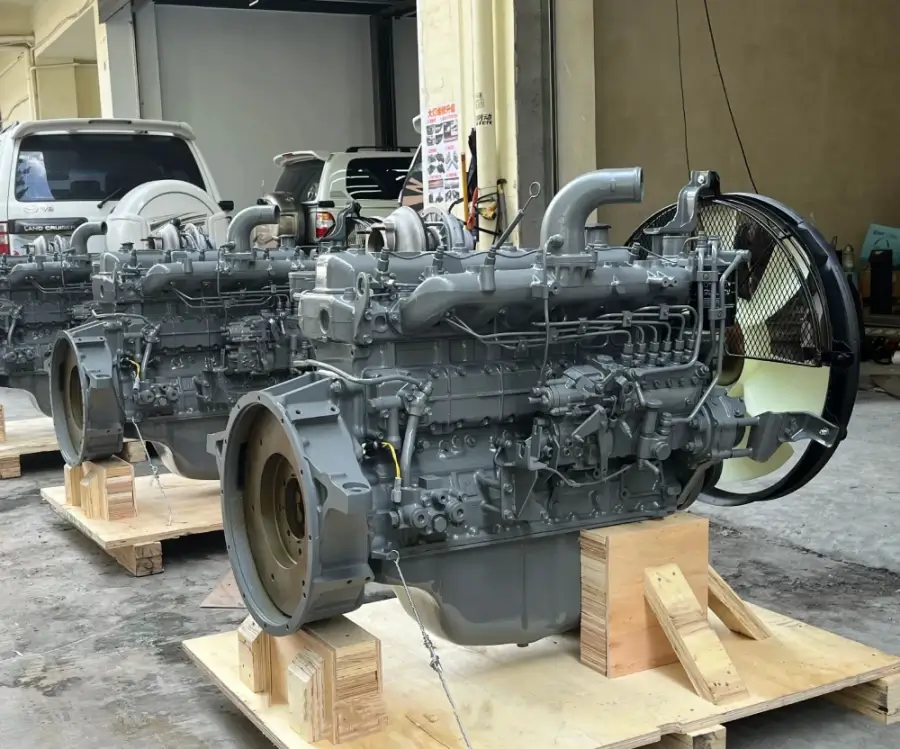
The Isuzu 6BG1 is a 6-cylinder diesel engine with a displacement of approximately 6.5 liters.
It is widely used in:
- Construction equipment
- Excavators
- Industrial machinery
- Commercial vehicles
The engine is known for:
- High torque output
- Long service life
- Strong reliability under heavy-duty operation
The fuel injection pump system plays a critical role in maintaining engine performance. Components such as the 131153-6120 plunger ensure accurate fuel pressure and delivery during operation.
4. Common Failure Symptoms
When the 131153-6120 plunger becomes worn or damaged, the injection pump may fail to maintain correct fuel pressure and delivery accuracy.
Common symptoms include:
4.1 Hard Starting
A worn plunger reduces the injection pump’s ability to generate sufficient fuel pressure during cranking.
Typical signs:
- Longer cranking time
- Difficult cold starting
- Poor startup performance
4.2 Loss of Engine Power
Reduced plunger sealing efficiency causes insufficient fuel delivery.
The engine may experience:
- Weak acceleration
- Reduced pulling power
- Poor performance under heavy load
4.3 Rough Idling
Excessive clearance between the plunger and barrel can create unstable fuel delivery.
Symptoms include:
- Uneven idle speed
- Engine vibration
- Unstable operation
4.4 Excessive Black Smoke
Poor fuel atomization caused by insufficient injection pressure can result in incomplete combustion.
Common causes:
- Low injection pressure
- Incorrect fuel delivery
- Poor combustion efficiency
4.5 Increased Fuel Consumption
A worn plunger may reduce injection efficiency, causing the engine to consume more fuel to produce the same power output.
4.6 Engine Misfire
Uneven fuel delivery between cylinders can cause:
- Intermittent misfire
- Rough engine operation
- Reduced combustion efficiency
4.7 White Smoke During Start-Up
Delayed or incomplete combustion may allow unburned fuel to pass through the exhaust system.
4.8 Fuel Dilution of Engine Oil
Severe internal leakage inside the injection pump can allow diesel fuel to enter areas where it may contaminate engine oil.
5. Diagnostic & Troubleshooting Guide
Step 1: Visual Inspection
Remove and inspect the injection pump components.
Check for:
- Plunger surface scoring
- Pitting or corrosion
- Abnormal wear marks
- Discoloration caused by overheating
- Fuel leakage around the pump body
Step 2: Injection Pump Pressure Test
Perform a professional injection pump bench test.
Check:
- Maximum delivery pressure
- Fuel delivery volume
- Injection consistency
A pressure reduction of approximately 10–15% or more compared with specifications may indicate internal wear.
Step 3: Leakage Test
Measure internal fuel leakage and return flow.
Excessive leakage usually indicates:
- Increased plunger-barrel clearance
- Poor sealing performance
- Plunger wear
Step 4: Cylinder Contribution Test
A cylinder cut-out test can help identify uneven fuel delivery and determine whether a specific injection element is under performing.
Step 5: Fuel Quality Inspection
Poor fuel quality is one of the main causes of premature plunger wear.
Check for:
- Water contamination
- Dirt particles
- Poor filtration
- Excessive fuel contamination
6. Maintenance Recommendations
Preventive Maintenance Schedule
| Maintenance Interval | Recommended Action |
|---|---|
| Every 500 operating hours | Inspect fuel filters and replace if contaminated |
| Every 1,000 operating hours | Check injection timing |
| Every 2,000 operating hours | Perform injection pump pressure test |
| Every 2,000–3,000 operating hours | Inspect plunger and barrel condition |
| When wear exceeds specification | Replace plunger element |
Best Practices for Extending Plunger Service Life
Use High-Quality Diesel Fuel
Poor-quality fuel is one of the primary causes of premature plunger wear.
Contaminated fuel containing water or abrasive particles can damage the precision surface between the plunger and barrel.
Always use fuel that meets the engine manufacturer’s specifications.
Replace Fuel Filters Regularly
Fuel filters protect the injection pump from:
- Dust particles
- Metal debris
- Water contamination
A blocked or damaged fuel filter may allow contaminants to enter the injection system and accelerate wear.
Avoid Running the Fuel System Dry
Operating with an empty fuel tank can reduce lubrication inside the injection pump.
The lack of fuel lubrication may increase metal-to-metal contact and accelerate plunger damage.
Properly Bleed the Fuel System
After replacing fuel filters or performing fuel system repairs:
- Remove trapped air
- Check for fuel leaks
- Confirm stable fuel delivery
Air inside the injection system can affect injection pressure and engine operation.
Use Quality Replacement Parts
Aftermarket plunger elements are available in the market.
However, replacement parts should meet OEM-level requirements, including:
- Accurate dimensions
- Correct material hardness
- Proper surface finishing
- Stable injection performance
Low-quality components may cause premature wear or injection pump failure.
Maintain Correct Injection Timing
Incorrect injection timing can increase stress on injection pump components and negatively affect:
- Combustion efficiency
- Fuel economy
- Pump durability
7. Replacement Procedure Overview
Required Tools
Typical tools required for injection pump plunger replacement include:
- Injection pump timing tools
- Torque wrench
- Plunger and barrel removal tools
- Precision measuring equipment
- Clean workbench
- Approved cleaning solvents
Replacement Steps
Step 1: Remove the Injection Pump
Remove the injection pump from the engine according to the manufacturer’s service manual.
Step 2: Disassemble the Pump
Carefully disassemble the injection pump and identify the worn plunger element.
Step 3: Remove the Old Plunger and Barrel Assembly
Remove the existing plunger and barrel while avoiding contamination of precision surfaces.
Step 4: Clean and Inspect Components
Clean all internal parts and inspect:
- Pump housing
- Cam components
- Delivery valve
- Seals and gaskets
Step 5: Install New Plunger Element
Install the Bosch 131153-6120 / A740 plunger element correctly.
Ensure:
- Proper alignment
- Correct installation direction
- Clean working environment
Step 6: Reassemble and Test
After assembly:
- Install new seals and gaskets
- Perform injection pump bench testing
- Verify fuel delivery and pressure
Step 7: Reinstall and Adjust Timing
Install the injection pump back onto the engine.
Then:
- Adjust injection timing according to specifications
- Bleed the fuel system
- Start and test the engine
Important Note:
Injection pump rebuilding requires specialized knowledge, calibration equipment, and experience. If you are not trained in diesel fuel system repair, professional service is recommended.
8. Related Models in This Series
Bosch Pump Plunger Comparison Guide
The Bosch/Zexel plunger family includes multiple models designed for different diesel injection pump applications.
Although these plungers share similar working principles, each model has different dimensions, calibration characteristics, and engine applications.
| OEM Number | Stamp Code | Main Application | Engine / Equipment |
|---|---|---|---|
| 131153-6120 | A740 | Heavy-duty diesel injection pump | Isuzu 6BG1 / Hitachi EX200-5 |
| 131153-6220 | A741 | Diesel injection pump plunger | Mitsubishi 6D17 applications |
| 131153-6320 | A742 | Various diesel injection systems | Various heavy-duty applications |
| 131153-6520 | A744 | Excavator diesel systems | Isuzu / Hitachi applications |
| 131153-5720 | A736 | Diesel injection pump repair | Various applications |
Important Replacement Note
Different Bosch/Zexel plunger models may look similar externally, but they are not always interchangeable.
Before replacement, always confirm:
- OEM number
- Stamp code
- Injection pump model
- Engine application
- Calibration requirements
Incorrect plunger selection can lead to:
- Incorrect fuel delivery
- Poor engine performance
- Injection pump damage
Upcoming Articles in This Series
More pump plunger technical guides:
- 090150-5971 Pump Plunger for Hino J05/J07/J08: Specifications, Applications & Replacement Guide
- 140153-9020 K199 Injection Pump Plunger – Kubota Engine Compatibility & Repair Guide
- Plunger and Barrel A724 131153-4520 for ISUZU 6HE1 6HH1 6HK17620
- Plunger and Barrel A758 131153-7920 for Mitsubishi SK6-T
9. Frequently Asked Questions
Q1: What is the OEM number for the A740 plunger?
A: The OEM number for the A740 pump plunger is 131153-6120. It is commonly used in Bosch/Zexel-style diesel injection pump applications for Isuzu 6BG1 engines.
Q2: Which engines use the Bosch 131153-6120 plunger?
A: The Bosch 131153-6120 pump plunger is mainly used in Isuzu 6BG1 series diesel engines, including the 6BG1, 6BG1T, 6BG1TQA01, 6BG1-TQA, 6BG1-TRB-01, 6BG1-TQB, and 6BG1-T.
Q3: What equipment uses the Bosch 131153-6120 plunger?
A: It is commonly used in Hitachi EX200-5 and EX150LC-5 excavators, as well as other industrial machinery and commercial vehicles powered by Isuzu 6BG1 diesel engines.
Q4: What material is the 131153-6120 pump plunger made from?
A: The Bosch 131153-6120 pump plunger is manufactured from precision hardened alloy steel, providing excellent wear resistance and durability for diesel injection pump applications.
Q5: How often should the Bosch 131153-6120 plunger be replaced?
A: There is no fixed replacement interval. Under normal operating conditions, inspect the plunger every 2,000–3,000 operating hours and replace it if wear exceeds the manufacturer’s specifications.
Q6: What are the common symptoms of a worn 131153-6120 plunger?
A: Common symptoms include hard starting, reduced engine power, rough idle, excessive black smoke, increased fuel consumption, engine misfire, white smoke during startup, and poor fuel injection performance.
Q7: Can I use an aftermarket Bosch 131153-6120 pump plunger?
A: Yes. High-quality aftermarket replacements can provide reliable performance if they meet OEM specifications for dimensions, material hardness, machining accuracy, and fuel delivery performance.
Summary
The Bosch 131153-6120 A740 pump plunger is a critical precision component for Isuzu 6BG1 diesel engines and Hitachi EX200-5 excavators.
Because the plunger directly affects fuel pressure and injection accuracy, maintaining proper fuel quality, regular inspection, and using correctly matched replacement parts are essential for reliable engine operation.
For diesel technicians, repair shops, and parts suppliers, understanding the application range and failure symptoms of the A740 plunger helps improve diagnosis accuracy and reduce unnecessary injection pump repairs.
Disclaimer
All brand names, trademarks, OEM part numbers, engine models, equipment models, and vehicle names mentioned in this article are used for reference and compatibility identification purposes only. Unless expressly stated otherwise, all products featured are high-quality aftermarket replacement parts and are not genuine OEM products, nor are they manufactured, affiliated with, endorsed, or sponsored by the respective original equipment manufacturers. All trademarks and registered trademarks are the property of their respective owners.