
The fuel system is the heart of any heavy duty diesel engine. Without properly functioning fuel system components, even the most powerful commercial truck or industrial diesel engine will experience power loss, poor fuel efficiency, and costly downtime. For fleet operators, equipment managers, and diesel engine repair shops sourcing reliable replacement parts is critical to maintaining operational efficiency.
At Pioneer Diesel Parts, we specialize in high-quality diesel fuel injection components designed for heavy-duty applications. In this comprehensive B2B guide, we‘ll walk through the essential fuel system components for heavy duty diesel engines, covering how each part works, common failure symptoms, and what to look for when sourcing replacement parts for your fleet or workshop.
Whether you are looking for a heavy duty diesel fuel injection pump, a common rail injector, or simply want to better understand the diesel fuel delivery system, this guide will help you make informed purchasing decisions for your commercial vehicles and industrial equipment.
Table of Contents
- How Heavy Duty Diesel Fuel Systems Work
- Key Diesel Fuel System Components
- Fuel Injection Pumps Explained
- Common Rail Diesel Injectors
- Fuel Filters & Water Separators
- Lift Pumps and Fuel Supply Issues
- Mechanical vs. Common Rail Systems
- Choosing Reliable Diesel Injection Components
- FAQ for Fleet Operators & Repair Shops
How a Heavy Duty Diesel Engine Fuel System Works
A modern heavy duty diesel engine fuel system consists of both low-pressure and high-pressure components that work together to deliver precisely metered, atomized fuel into the engine’s combustion chambers-.
The typical fuel flow path in a heavy duty diesel engine is as follows:
Fuel Tank → Fuel Supply Pump (Lift Pump) → Primary Fuel Filter / Water Separator → Secondary Fuel Filter → Fuel Injection Pump → High-Pressure Lines → Fuel Injectors → Combustion Chambers → Return Line back to Tank
The entire system is designed to deliver clean, water-free fuel at the exact pressure and timing required for complete combustion“““-. In heavy duty diesel engines, injection pressures can reach up to 2,500 bar (over 36,000 PSI) to ensure fine fuel atomization and maximize power output while minimizing emissions-.
Now let’s take a closer look at each of the essential fuel system components for heavy duty diesel engines.
Essential Fuel System Components for Heavy Duty Diesel Engines
1. Fuel Injection Pump
The fuel injection pump is arguably the most critical component in any diesel fuel system. Its job is to draw fuel from the tank, pressurize it to extremely high levels, and deliver it to the injectors at precisely the right moment based on engine timing.
Heavy duty diesel engines require high-pressure fuel injection pumps capable of delivering consistent flow under extreme loads and operating conditions. Depending on the engine type, you may encounter several different injection pump configurations:
- Inline injection pumps – Preferred for heavy-duty diesel engines as they can generate high injection pressures (up to 1,800 bar) and are highly reliable for large commercial diesel engines-
- Distributor (rotary) pumps – More compact design, commonly found on medium-duty applications
- Common rail high-pressure pumps – Used in modern electronically controlled diesel systems, capable of much higher pressures and precise multi-injection strategies-
Key Specifications to Consider When Sourcing a Heavy Duty Fuel Injection Pump:
- Maximum injection pressure rating
- Flow rate capacity (liters per hour)
- Compatibility with specific engine models (Cummins, Detroit Diesel, Caterpillar, Volvo, Mercedes-Benz, etc.)
- Mechanical vs. electronic (common rail) control
Failure Symptoms of a Faulty Diesel Fuel Injection Pump:
- Engine cranks but won‘t start
- Hard starting, especially when the engine is warm
- Loss of power under load
- Rough idle or engine misfire
- Excessive black or white smoke from exhaust
- Increased fuel consumption
Where to Buy Heavy Duty Fuel Injection Pumps
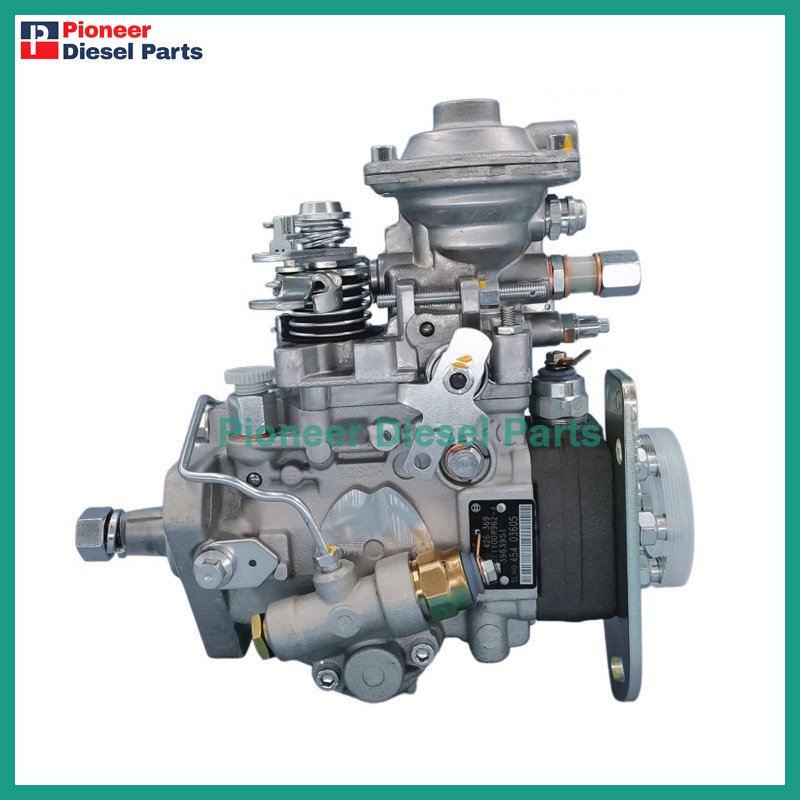
For fleet operators and diesel repair shops looking to source a reliable heavy duty diesel fuel injection pump for Cummins, Detroit Diesel, Caterpillar, Volvo, Mercedes-Benz, or other major engine brands, Pioneer Diesel Parts offers OEM-quality new and remanufactured units with rigorous testing to ensure peak performance and longevity.
👉 For example, the Bosch 0460426369 fuel injection pump is widely used in heavy-duty Cummins applications.
2. Diesel Fuel Injectors
While the injection pump provides high-pressure fuel, the fuel injector is the component that actually sprays the atomized fuel directly into each cylinder‘s combustion chamber. Heavy duty diesel injectors must withstand extreme pressures, temperatures, and millions of injection cycles over their service life.
Modern heavy duty diesel engines commonly use one of two injector types:
- Unit Injectors – Combine the pumping and injection functions into a single component, often used in mechanical heavy-duty diesel engines
- Common Rail Injectors – Electronically controlled, capable of multiple injection events per cycle (pilot, main, post-injection) for improved combustion efficiency and reduced emissions-
Key Specifications for Heavy Duty Diesel Injectors:
- Operating pressure range (typically 250–2,500 bar)-
- Number of nozzle holes and spray angle (affects fuel atomization and combustion pattern)-
- Static flow rate
- Compatibility with specific engine series (Cummins ISX, Detroit Diesel Series 60, Caterpillar C15, etc.)
- OEM part number cross-reference
Failure Symptoms of Faulty Diesel Fuel Injectors:
- Engine knocking or rough running at idle
- Excessive exhaust smoke (white, black, or blue)
- Misfiring cylinders
- Poor fuel economy
- Unburned fuel smell from exhaust
- Failed emissions test
Sourcing Strategy for B2B Buyers
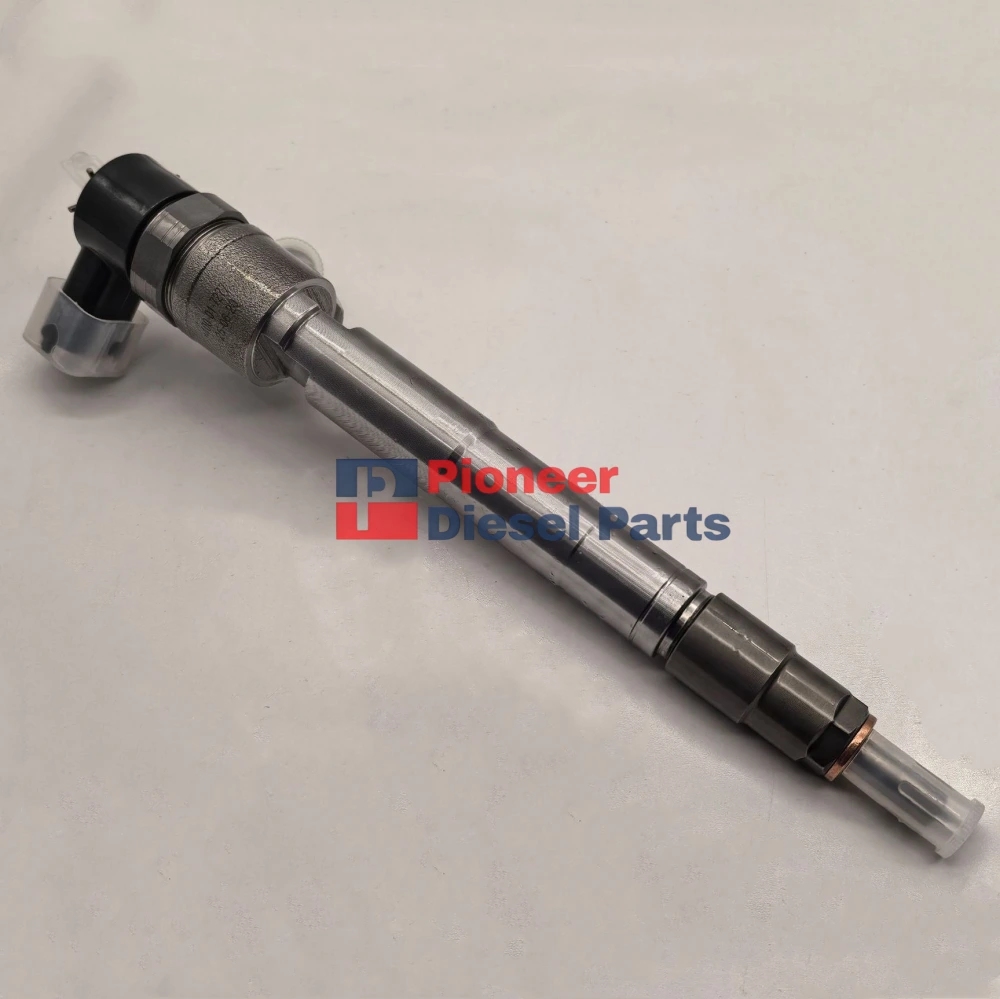
When sourcing diesel injectors for your fleet or repair business, always verify the OEM part number before purchasing. Injector specifications vary significantly between engine families, and using an incorrect injector can cause severe engine damage. Always purchase from a reputable diesel fuel system supplier like Pioneer Diesel Parts, where each injector is tested against OEM specifications to ensure consistent performance and longevity.
👉 For example, the Bosch 0445110808 common rail injector is widely used in heavy-duty Cummins applications.
3. Fuel Filters & Water Separators
Clean fuel is essential for diesel engine longevity. Contaminants such as dirt, rust particles, and – most critically – water can destroy high-precision fuel injection pumps and injectors in a matter of hours. That‘s why a proper filtration system with a fuel/water separator is mandatory for any heavy duty diesel application.
A typical heavy duty diesel filtration setup includes:
- Primary Fuel Filter / Water Separator – Removes bulk water and larger particulates (10–30 micron rating)-
- Secondary Fuel Filter – Fine filtration (2–10 micron rating) to protect the injection pump
- Optional – Fuel Heater – Helps prevent waxing and gelling in cold climates
Best Practices for Diesel Fuel Filtration in Fleets:
- Replace primary filters every 10,000–15,000 miles or as recommended by the engine manufacturer
- Drain water from the separator daily or weekly (depending on fuel quality and operating conditions)
- Use genuine or OEM-quality filter elements – substandard filters can collapse or fail to capture critical contaminants
- Always prime the fuel system after filter changes to avoid running the injection pump dry
Warning Signs of Fuel Filtration Problems:
- Engine loses power under acceleration
- Surging or stumbling at highway speeds
- Hard starting after a filter change (indicating air in the system)
- Water-in-fuel warning light illuminated
4. Fuel Supply Pump (Lift Pump)
The fuel supply pump, often called the lift pump, is responsible for drawing fuel from the tank and delivering it to the injection pump at low pressure (typically 30–80 PSI). Despite its simple appearance, lift pump failure is one of the most common – and most overlooked – causes of hard starting and power loss on heavy duty diesel engines.
Common Lift Pump Failure Modes:
- Worn internal seals causing fuel leakage
- Ruptured diaphragm (on mechanical pumps)
- Failed internal check valve (allowing fuel to drain back to the tank, causing long crank times)
- Electrical failure (on electric lift pumps)
Common Rail vs. Mechanical Fuel Systems
When sourcing fuel system components, it‘s important to understand whether your engine uses a traditional mechanical system or a modern common rail system.
Mechanical Fuel Systems – Found primarily on older heavy duty diesel engines (pre-mid 2000s for most on-highway applications, though some off-road diesels still use mechanical systems). These systems rely on a mechanically governed injection pump and unit injectors driven directly by the camshaft.
Common Rail Systems – All modern heavy duty diesel engines now use common rail technology-. In a common rail system, a high-pressure pump fills a shared “rail” that supplies all injectors. The electronic control unit (ECU) precisely controls each injector‘s opening and closing, enabling multiple injection events per cycle for better power, fuel economy, and emissions compliance“““-.
Common Rail System Configurations Include:
- Distributed Pump Common Rail Systems (DPCRS) – Pressure provided by separate pumping units for each cylinder group
- Remote Pump Common Rail Systems (RPCRS) – A single high-pressure pump supplies the common rail with individual pump components“““-
Why Quality Matters for B2B Buyers
For B2B buyers – fleet operators, diesel repair shops, equipment dealers, and engine rebuilders – sourcing quality diesel fuel system components is not just about avoiding immediate breakdowns. It directly impacts your bottom line.
Hidden Costs of Inferior Fuel System Components:
- Shorter service life – Low-quality pumps and injectors often fail within months rather than years
- Fuel efficiency losses – Poorly calibrated injectors can reduce MPG by 10–20%
- Cascade failures – A cheap injection pump that fails can send metal debris through the entire fuel system, destroying injectors, the rail, and even the engine
- Warranty claim hassles – Many low-cost suppliers offer little to no warranty or technical support
- Downtime costs – For a commercial truck, one day of unscheduled downtime can cost 500–1,500 or more in lost revenue
What to Look for in a Diesel Fuel System Supplier for B2B:
- OEM-spec testing and calibration for all pumps and injectors
- Clear warranty terms (minimum 12 months)
- Technical support for installation and troubleshooting
- Fast shipping from strategically located warehouses near major freight hubs
- Bulk pricing and volume discounts for repetitive fleet or shop orders
At Pioneer Diesel Parts, every injection pump and injector we sell is rigorously tested to meet or exceed OEM specifications“““-. We serve B2B customers nationwide with fast shipping, volume pricing, and expert technical support to keep your fleet and shop running efficiently.
FAQ
Q1: What is the most common cause of fuel system failure in heavy duty diesel engines?
A: Contaminated fuel is the leading cause. Water, dirt, and microbial growth (diesel bugs) in the fuel tank are the top culprits. That‘s why proper fuel filtration with a high-quality water separator is the single most important preventive measure you can take to protect your heavy duty diesel fuel injection pump and injectors.
Q2: How often should I replace fuel filters on a heavy duty diesel truck?
A: Most engine manufacturers recommend replacing primary fuel filters every 10,000–15,000 miles or every 250–300 operating hours. Secondary filters are typically replaced at the same interval. However, if you operate in dusty environments or suspect poor fuel quality, more frequent changes are recommended.
Q3: Can I install a used fuel injection pump on my diesel engine?
A: We strongly advise against using used pumps unless they have been professionally rebuilt and tested. A used injection pump of unknown history may have internal wear that isn‘t visible externally. When a worn pump fails, it can take out the entire fuel system – injectors, lines, and possibly the engine. Investing in a quality rebuilt or new fuel injection pump that has been calibrated to OEM specifications is always the safer and more cost-effective approach for long-term reliability.
Q4: How do I know if my diesel injectors are failing or just dirty?
A: Dirty injectors often respond to fuel system cleaner additives or professional ultrasonic cleaning. True injector failure – worn nozzles, stuck needles, or leaking internal seals – requires replacement. Key warning signs that indicate replacement is needed rather than cleaning include: persistent knocking or misfiring even after cleaning, excessive smoke that doesn‘t resolve, and failed cylinder contribution tests. If symptoms continue after professional cleaning, replacement is the appropriate next step.
Q5: What‘s the difference between a mechanical injection pump and a common rail high-pressure pump?
A: A mechanical injection pump both pressurizes the fuel and times the injection event mechanically based on engine position. A common rail high-pressure pump simply pressurizes the fuel and sends it to a shared rail. The rail then supplies all injectors, and the engine ECU electronically controls each injector‘s timing and duration. Common rail systems allow much higher injection pressures (up to 2,500 bar vs. 1,800 bar for mechanical systems) and enable multiple injection events per cycle for better efficiency and lower emissions.
Q6: Can I mix different brands of fuel system components?
A: While some components (like filters and lines) can be mixed across brands, the high-pressure fuel injection pump and injectors should always be matched to the engine‘s specifications. Using mismatched pumps and injectors can cause improper fuel delivery, poor performance, and potential engine damage. Always verify OEM part numbers and system compatibility before purchasing replacement pumps or injectors.
Q7: Do you offer bulk pricing for fleet accounts?
A: Yes. Pioneer Diesel Parts offers volume pricing, fleet account programs, and blanket order options for repair shops, fleet operators, and equipment dealers B2B customers. Contact our sales team with your estimated annual volume for a customized quote.
Q8: Do you ship internationally?
A: Pioneer Diesel Parts ships worldwide. We have strategic partnerships with major freight carriers to provide fast, reliable delivery to customers across North America, Europe, Asia, Australia, the Middle East, and Africa. Contact us with your delivery address for a shipping quote.
Looking for Reliable Diesel Injection Components?
Maintaining a stable supply of OEM-quality diesel fuel system components is essential for fleet operators, diesel repair shops, equipment dealers, and engine rebuilders. Pioneer Diesel Parts supplies reliable new and remanufactured diesel injection components for heavy duty applications worldwide.
We support a wide range of fuel system brands and engine platforms, including Bosch, Denso, Delphi, Cummins, Caterpillar, Detroit Diesel, Volvo, and more.
Our B2B Support Includes:
- Wholesale pricing for bulk orders
- Fast response for urgent fleet requirements
- OEM part number cross-reference assistance
- International shipping and export support
- Technical support for injector and pump matching
👉 Get a Wholesale Quote →
👉 Contact Diesel Parts Specialist →
